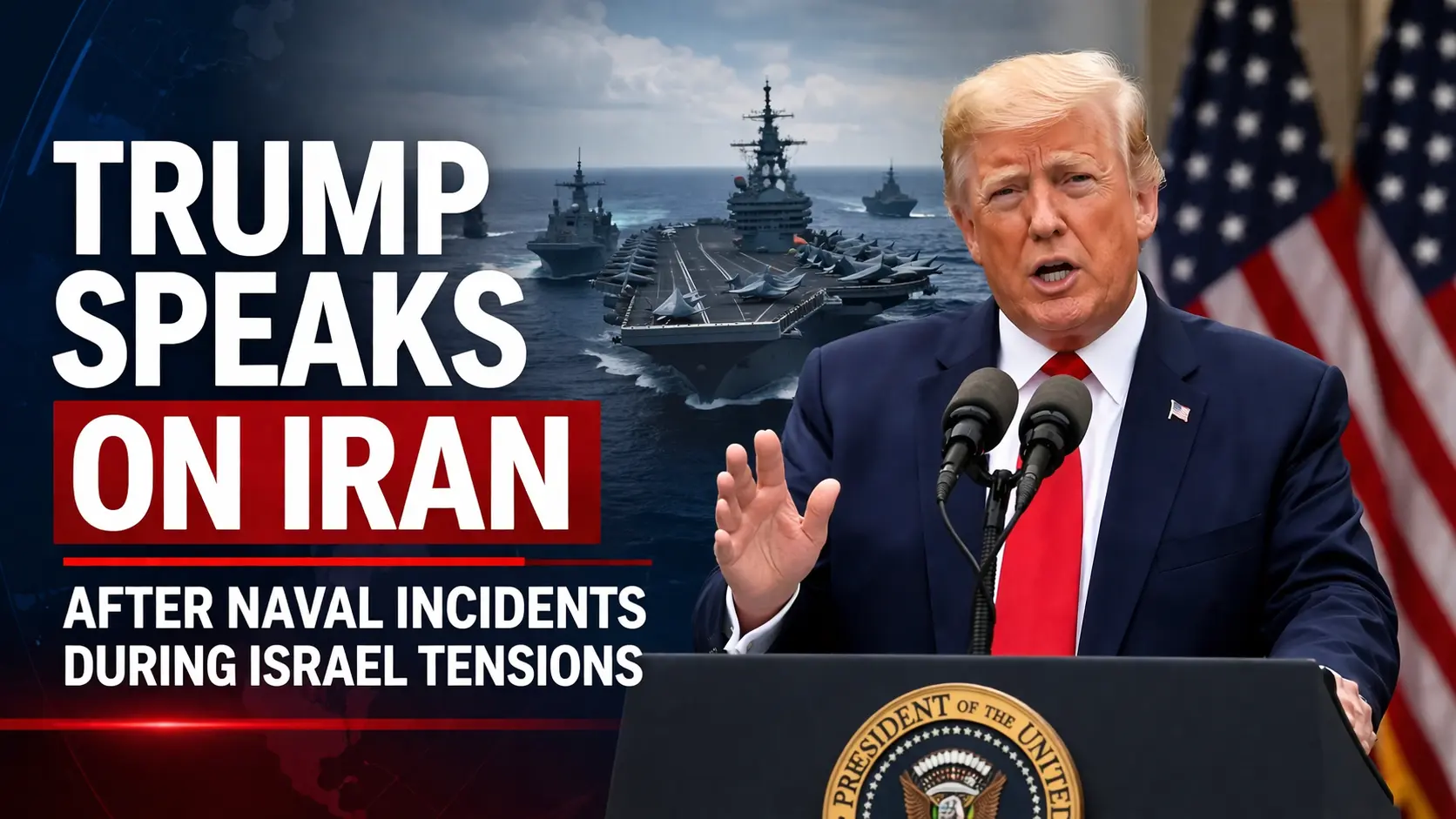
Out of nowhere, week three hits – this fight between Israel and Iran rattles the region worse than anything before. Instead of missiles screaming through skies, warships now stare each other down close to Hormuz waters. Strikes launched by Israeli planes damage major Iranian atomic sites; even so, response comes fast, drone swarms launching in waves while naval units scatter toward open sea. Then, unexpectedly, Trump appears – possible next Republican nominee – barking a sharp threat mid-speech on April 13, 2026: “Spot an Iranian ship near that blockade? Gone. Period.” The words blast from a Florida rally platform, suggesting heavier moves ahead while American troops barely hold position far out at sea.
Hidden attacks start war then it spreads
Late on March twenty-five, chaos followed when Israel hit Iran’s atomic facilities at Natanz and Fordow – code-named Operation Iron Dome Two Point Zero. From orbit, satellite views showed gaping craters where buildings once stood. Inside, monitors confirmed around fifty percent of centrifuges used for enrichment had stopped working. Then came retaliation: Tehran launched over three hundred missiles and pilotless aircraft aimed at urban zones including Tel Aviv and Haifa – an event labeled True Promise Three by Iranian forces. A large number never reached their targets. Midair interceptions by defenses like Arrow, David’s Sling, and Iron Dome blocked most threats – ninety two percent. Even so, some got through. Eighteen strikes hit the ground. Deaths reached forty seven. Injuries climbed to three hundred.
Out of Tehran came sharp words – genocide, said Supreme Leader Ali Khamenei, his voice firm, warning what’s coming next. Not long after, rockets rose from Lebanese soil, later echoed by strikes launched from Yemen, both acts tied to groups linked – Hezbollah and Houthis joining force without a shared border. On the other side, Israeli soldiers crossed into southern Lebanon, pushing further each day, dismantling nearly two thousand enemy combatants along the way. Numbers climb steadily: 1,200 Israelis listed hurt or gone, figures tallied openly; yet across the region, reports from Iran claim over five thousand dead – but whispers say even that count hides deeper truths.
Strait of Hormuz Sees Rising Maritime Tensions
Out there, near the scorching stretch known as Hormuz, moves about twenty percent of all seaborne oil. That April dawn, tension climbed sharply after swift Iranian craft surged around cargo ships, pushing the U.S. 5th Fleet to plant its stance on open water. Not far off, gliding with quiet strength, came two large destroyers – named for former leaders – patrolling beneath low-flying jets that cut through sky like dark whispers. From the opposite shore, Iran rolled out its fleet: aging frigates, twin submarines made for slipping unseen, along with compact yet fierce patrol boats armed with reach-out strikes. Now each wave hitting steel carries more weight than before.
That day in April, gunfire sparked between vessels after Iranian boats opened fire close to a Saudi tanker under watch by U.S. personnel. Hovering overhead soon after, American choppers swept across the waters without landing. Not one boat sank during the chaos. Yet later, a drone strike – fired by Houthi rebels – slammed into Iran’s Sahand, killing two dozen sailors aboard.
Trump’s Bombshell Vow and U.S. Posture
Thunder rolled through the crowd as Trump spoke at his event. Flanked by banners, he blamed Biden’s approach for current problems. His voice rose when mentioning the naval blockade meant to keep sea lanes open. Should Iran challenge it, he warned, their aging vessels would be destroyed instantly. What sounds like political showmanship still carries weight because he once ordered the killing of Soleimani. According to insiders at the Pentagon, speaking to Fox News, new battlefield directives permit strikes ahead of time – any Iranian ship inside fifty nautical miles triggers response options.
It’s obvious now. Downplaying Trump’s words is what the Biden administration chooses, calling them empty noise. Yet soon enough, warships shift anyway – Lloyd Austin sends two more destroyers forward, B-52 bombers touch down on Diego Garcia. In private talks, Netanyahu silently backs Trump, reports from Axios suggest, urging strikes against Bandar Abbas, Iran’s coastal hub.
oil wars shape alliances and fuel proxy battles
Suddenly, crude prices jumped thirty-five percent, reaching one hundred twenty dollars per barrel, unsettling trade worldwide. As a result, India – reliant mostly on deliveries from the Persian Gulf – now faces shrinking fuel reserves; officials gathered fast after Modi summoned them. At the same time, Beijing lashed out at Tel Aviv, dispatching emergency aircraft directly to Tehran. In addition, Russian factories began shipping Su-thirty-fives to Iranian air bases.
Far across Iraq, drones linked to Iran-backed groups were hit by U.S. soldiers midair. Above Syria, weapons at official compounds vanished after attacks from Israel. Below Gaza’s surface, silent tunnels carved by Hamas wait beneath the ground. Now whispers move through towns – those paths could stir back to life in days.
Still little waiting for Iran. When MiGs and older F-14s face off against F-35s, they falter. Under sanctions, the economy shrinks – prices climb by sixty percent, yet frustration swells through Tehran’s alleys.
Path to Escalation or Ceasefire?
One person’s guess is as good as another’s when it comes to what happens now. Though Ray Takeyh from the CFR thinks Iran may step down to avoid total shame, Suzanne Maloney at Brookings says errors could slip through – sinking a U.S. ship might trigger something like how NATO members respond together. A few believe calm will win out. Hidden risks, though, live inside bad choices made fast.
A sudden move by Trump tightens the grip. If Iran challenges the blockade – perhaps using small subs – U.S. cruise missiles could destroy their vessels. As soon as Israeli troops shift gaze toward the Bekaa Valley, Tehran might trigger chaos in Hormuz.
Out there, missiles cut the night while gazes lock from every corner of the planet. This isn’t just talk – Trump’s warning to wipe out forms a line that won’t bend. On one side, Israel; on the other, Iran – both shaped by decades of fighting simply to exist. The Strait of Hormuz now holds the weight: shift slightly, and everything swings toward victory or collapse. Quiet tension shivers, stretched thin by old warships and pledges made generations ago.