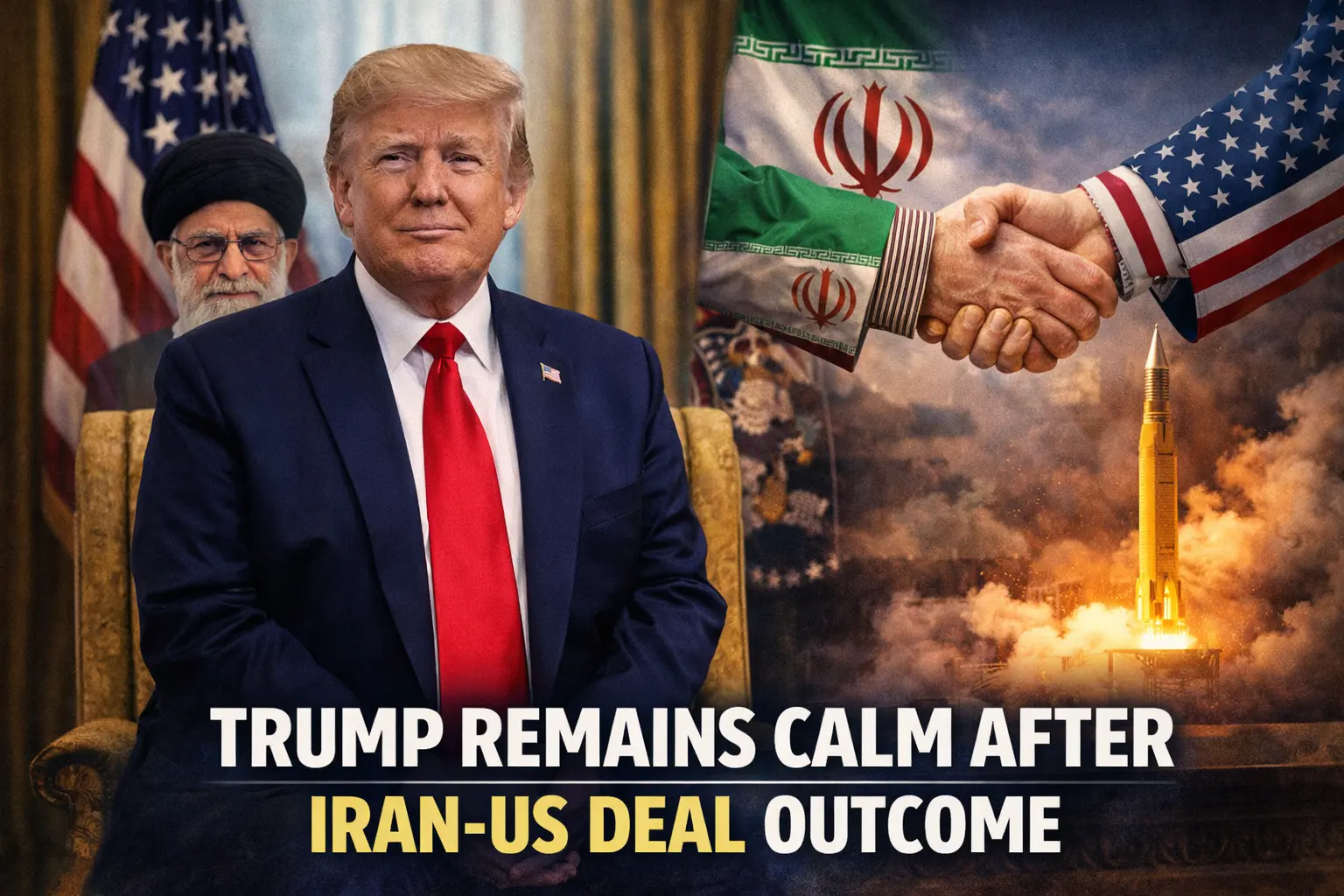
That Sunday, April 12, 2026, out of thin air, Donald Trump claimed he had zero interest in whether U.S.-Iran peace efforts in Pakistan went anywhere. Even as clashes between Israel and Iran heated up, his message on Truth Social felt cold, like it barely touched him. Rather than step in, he stayed aside – watching, waiting. Since Washington pushed terms Iran saw as too much, talks crumbled; blame followed fast. Close to Iranian waters, American soldiers stay put while his tone shows quiet ease instead of alarm. With peace fading step by step, what he does not say hits harder than any move.
Failed Talks Context
Before sunrise Sunday, discussions in Islamabad collapsed without warning when Iran walked out. The breakdown came after Tehran demanded fewer nuclear inspections while also calling for troops to leave the Strait of Hormuz. Hosted by Pakistani leader Shehbaz Sharif, the gathering had drawn high-level US figures. Among them: JD Vance stood alongside Steve Witkoff and Jared Kushner representing Washington. Talks ended sharply, leaving little explanation behind. Round after round tried to push beyond the April 21 mark for a shaky ceasefire. Yet gaps stayed firm – pulling weapons from Hezbollah, strikes by Israel across Lebanon refused to bend toward agreement. Abbas Araghchi called U.S. demands a stain on dignity. Not long after, fire streaked through skies in both directions.
Trump’s full post read: “Iran talks over – makes no difference to me if deal or no deal. Our forces strong, Israel secure. They blinked.” This echoes his earlier insistence on keeping troops positioned, rejecting pullbacks without ironclad guarantees.
Strategic Nonchalance or Signal?
Even so, some experts view Trump’s calm approach as a risky move, pressing Iran during its shaky moment – sites avoided per American sources, military wings now strained. Power deters war, he thinks, more than fast negotiations ever could. However, several Democratic lawmakers saw it differently, warning of rising costs and unrest jumping toward allies near the Gulf.
Back from the strike, smoke twisted through Beirut’s air as bombs hit near the city – more than four hundred twenty killed in Lebanon so far. In northern Israel, three people were discovered dead, casualties of fresh missile fire sent again from Hezbollah bases. Eastward, unseen drones dropped from night skies at Tehran’s perimeter, intercepted before they could move deeper inside. Crude oil surged sharply, up seven percent to ninety eight dollars per barrel, rattling markets globally – including India’s Sensex, pulled downward under pressure.
Regional and Global Ripples
Suddenly, doubts emerge about Pakistan’s part in brokering the truce, despite Sharif taking no side. Far off, shipping routes change when Kuwaiti and then Saudi ships steer clear of dangerous zones. From across tense skies, India keeps watch – nearly all its oil moves by sea past Hormuz. As peace frays, Modi urges restraint, mind already on those living overseas.
Front and center, Trump lines up beside tough stances like Netanyahu’s – the rule now? Ceasefire off the table until Hezbollah lays down every weapon. On the flip, Pezeshkian of Iran answers with missile exercises, a quiet signal that hidden players could wake once more.
What’s Next?
Out of nowhere, morning sunlight arrives without new talks – only a sudden UN Security Council gathering. Trump’s bold claim that it means zero shift could backfire, possibly nudging Iran into rash steps or forcing late concessions. Flights vanish above Ben Gurion, crossings shut tight, nerves stretching thinner by the minute.
As midnight conversations fade, Trump’s lack of concern signals a gamble – no matter if deals survive or fail, American influence remains dominant. Will Iran step back, or will sparks rise once more?