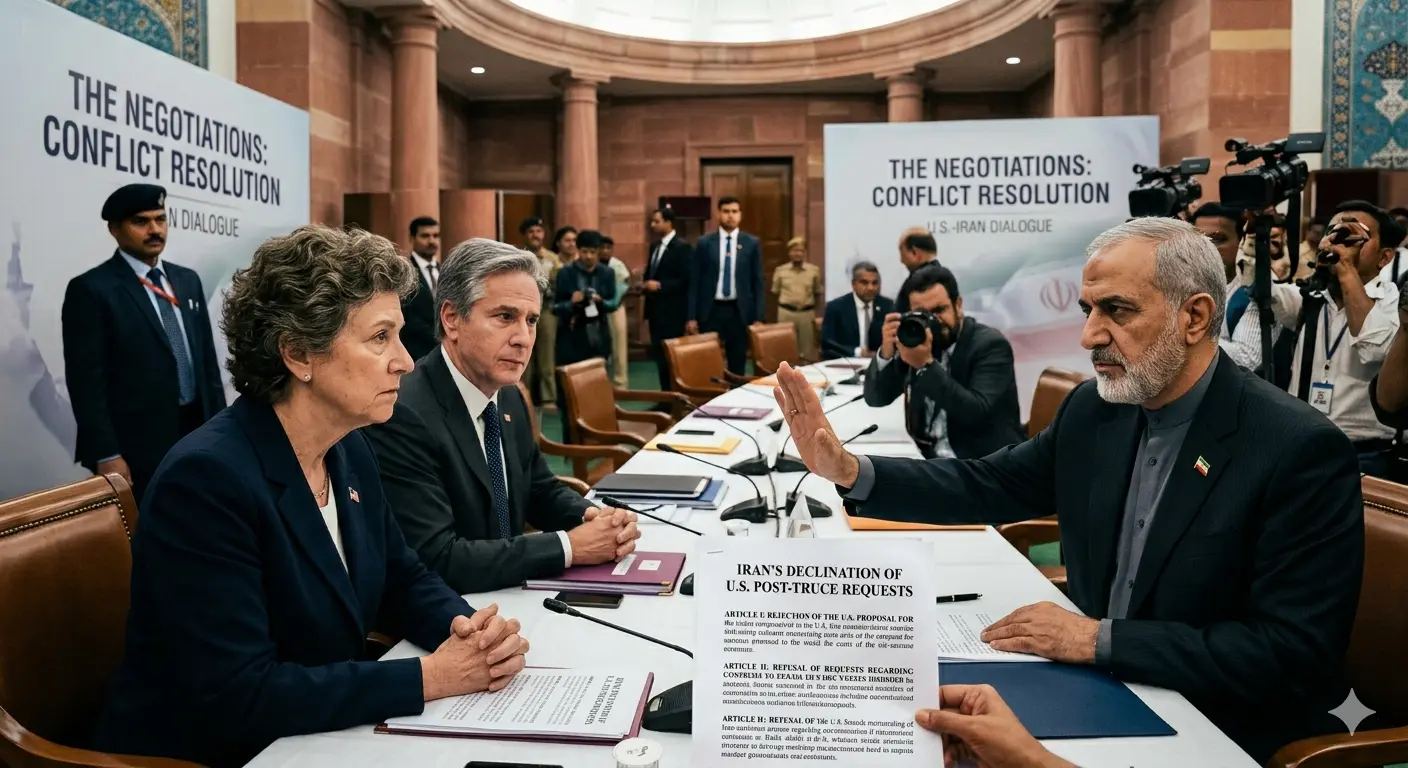
Out of the blue, Iran called off direct US talks in Pakistan on April 12, 2026, saying American demands were too extreme. Talks held past midnight in Islamabad had been meant to steady a shaky truce in the Israel-Iran conflict. Though Pakistan offered its capital as neutral ground, progress fizzled fast. The foreign minister, Abbas Araghchi, made clear that Washington pushed too hard – especially pushing intrusive checks at atomic facilities along with military pullbacks near Hormuz. That much was unacceptable. Walkouts followed soon after. Dawn arrived without agreement.
Breakdown in Islamabad
Talks started hopeful on April 11, steered by US Vice President JD Vance alongside envoys Steve Witkoff and Jared Kushner. Mediation fell to Pakistan’s leader Shehbaz Sharif, who hosted three sessions before tensions surfaced. Disagreement grew when Iran refused to limit backing for Hezbollah unless Israel made moves in Lebanon first. Accusations followed – Araghchi claimed Washington was stalling, using diplomacy while building up troops near Iranian shores under President Trump. Behind closed doors, one top Iranian figure said America wanted a decade-long halt to nuclear work plus disarming allies – a demand Tehran called outright capitulation
Pakistan voiced disappointment, pointing to earlier gains on aid routes before things stalled. Not long after, people familiar with negotiations mentioned Iran’s parliament head, Mohammad Bagher Ghalibaf, hinted at sharper moves if requests didn’t ease – blaming internal strain following Israeli attacks that hit Revolutionary Guard forces.
Fallout on Ceasefire
A shaky pause in fighting, declared just fourteen days back and due to end on April 21, trembles near collapse. Right after it unraveled, fifty rockets launched by Hezbollah slammed into Israel – then jets struck back, leaving twenty dead across southern Lebanon villages. Blasts tore through neighborhoods outside Tehran; officials pointed fingers at drones they say came from Israel. From his platform online, Trump wrote that Iran gave ground first, calling the moment proof of strength, adding warnings for partner nations to brace for what might come next.
Out of nowhere, regional allies moved fast. After planes crossed into its airspace, Kuwait tightened security measures across key zones instead. Fearing mines near Hormuz, oil shipments through the Gulf changed course unexpectedly. Since fighting grew worse, 400 people died in Lebanon – a blow that shook the country’s shaky leadership even further.
Broader Implications
Out of nowhere, Iran’s refusal hints at trading talks for high-stakes pressure. With quiet intensity, Tehran pledged faster work on missiles along with stepped-up actions through allies. Even so, U.S. reports show its nuclear efforts keep moving forward, unharmed by recent attacks. Without warning, oil prices jumped – Brent reached $95 a barrel, up 5 percent – pulling India’s stock market lower by two points.
Out of nowhere, whispers grow louder about a hidden conflict creeping forward through small attacks. Watching every move, officials under Modi stay alert because fuel shipments matter along with citizens living abroad. Even after taking some hits, Pakistan still pushes to step in while attention shifts toward urgent meetings at the United Nations.
Fury builds when talks after dark fall apart. The region waits, caught between old tensions and fragile hope. Midnight whispers now echo like warnings. Can reason find footing before flames rise again?