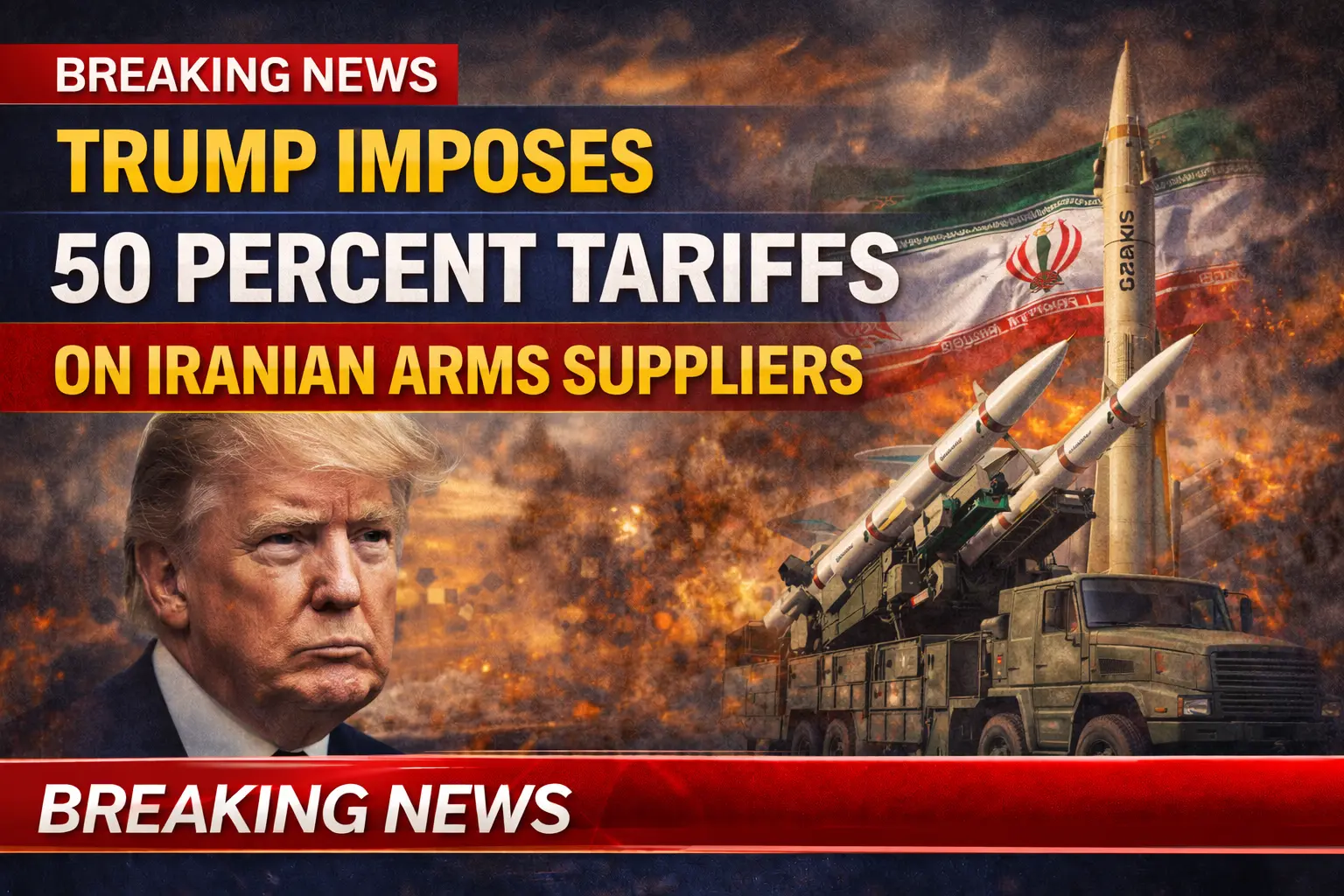
A sudden shift came from President Donald Trump, dropping steep import taxes aimed at countries sending arms to Iran during rising tensions between the U.S. and Tehran. Speaking outdoors just past dawn, following a missed strike deadline at midnight, he stated firmly that nations backing the Iranian regime would pay half again on every shipment entering America. This penalty hits hard regardless of origin – Beijing, Moscow, Pyongyang, or others aiding Tehran’s militant reach won’t be spared. Designed to choke off resources flowing to the IRGC, it arrives as peace efforts stall near collapse, mines still lurk beneath Strait of Hormuz waters, and Israeli forces keep hitting Hezbollah strongholds – a stark turn echoing Trump’s belief in pressure over promises.
Tariff Trigger Reveals Iran Arms Network
A sudden White House move leans on old economic powers, aiming where missile parts flow toward Iran. Satellite trails reveal Chinese cargo ships unloading near Bandar Abbas – hypersonic gear spotted, half a trillion dollars in yearly commerce now hanging in balance. Not just China feels heat: Moscow absorbs another hit even as it huddles with allies, penalties rippling beyond Europe’s reach. Central Command tracks ghost shipments from Pyongyang through inland waterways, evidence piling up quietly. Islamabad watches closely too – the recent peace effort failed, whispers grow louder about underground deals with Iranian factions.
One day after another, tension built fast. Missiles launched by Iran took down American ships in the sea. Then came explosions at key nuclear sites, flattened under nighttime raids from US and Israeli forces. Messages popped up on a social platform, not through diplomats – demands stretched out, delayed twice by a former president watching closely. Behind closed doors, quiet talks grew between envoys, one side calling it peace, the other survival. A general spoke loudly about closing off Hormuz, reshaping power across waters. Rail lines in Israel prepared for impact while families rushed home from India under official notice. Instead of more blasts, prices shifted – phones cost much more, metal imports hit hard with steep fees. For today, economics replaced explosives.
Global Suppliers Under Pressure
Outrage in China. The commerce department under Xi hit back at what it called financial coercion while shares in Shanghai fell by four percent. Instead of cooperation, pressure rolls in. Nearly all parts for Iranian drones come from Beijing. Meanwhile, Chinese military equipment moves steadily through Chabahar harbor. Trump weighs in – from across the ocean – pointing fingers at creation and cost. He claims America fueled the rise but now pays for it. On the sidelines, India watches with quiet satisfaction. Its position near Chabahar gains strength compared to Gwadar.
Out of breath runs the old dollar threat, says Moscow. Cut off from SWIFT, Russia just laughs now. Still, European payments through Gazprom keep shrinking fast. Meanwhile, shadow troops once with Wagner reappear near Syrian oil fields. Arms move different ways these days.
Speedboats from North Korea have long dodged import taxes – Kim’s old trick. Now, under Trump, vessels get seized instead. Not far away, Pakistan insists its role is neutral after Sharif’s copy-paste blunder went public. Talks? They call it honest help.
Relief spreads among Gulf partners – tariffs lifted, yet oil prices climb to 118 dollars a barrel through Hormuz. Desal plants in UAE and Saudi face shaky outlooks now. Meanwhile, Qatari LNG shifts course without warning.
Economic Shockwaves Spread Across the Globe
Down go US markets. Eight hundred points lost in the Dow today. A warning out of Tesla – China production slowing down. Not just that, bond rates jump sharply overnight. Powell at the Fed now talking about a dangerous mix: slow growth plus high prices. Meanwhile, loud cheers rise from Trump supporters. Chants echo: America First will defeat those religious rulers far away.
Oil pains grip India as 85 percent flows through Hormuz, while the rupee sinks to 88 per dollar. Meeting behind closed doors, Modi gathers top officials; panic buyers drain diesel from stations. Blame shifts toward BJP amid reports tying Manipur blasts to Iranian weapons – officials whisper these arms feed unrest in the northeast
Heavy costs land on Europe. German cars, French fashion – both caught in China’s 25% jump. Anger flashes from Paris. Macron calls it reckless solo play
Import fees jump to fifty percent once spy agencies sign off – think CIA drone footage or tapped phone lines. Exceptions hardly ever happen. Previous breaks for metal shipments? Gone without warning.
Trade Tactics Before Military Moves
What’s behind the tariffs? Tensions could spiral – China’s warship near Hormuz, Russian hypersonic tests ripple across the Caspian. The economic squeeze hits hard: Iran’s nuclear machines stall without spare pieces; sea mines in the strait corrode unused. A shaky pause looms – one side gets limited passage – for now, unless supply lines twitch.
Still, Netanyahu hails what he calls an “economic Iron Dome.” Yet Pakistan under Sharif stumbles through turmoil. Meanwhile, ties between Egypt and Turkey shiver after tensions spill from Lebanon. On the sidelines, Iran’s Araghchi claims tariffs feel just like old sanctions – yet their so-called resistance economy keeps moving
US Resistance at Home Shifting World Order
A tweet from Musk says sharp tariffs hit money, not mourners. Yet groups tied to Koch argue such moves wreck supply chains. With elections near, voters in industrial states welcome factory work returning. Steel towns find relief in revived mills.
Oil talks in BRICS meeting see Iran suggesting trade in rupees instead of dollars. Meanwhile, India moves carefully on its port plans at Chabahar. On another front, Trump pushes a strategy aimed squarely at bringing China into Gulf negotiations. His plan hinges on tightening pressure near Hormuz. This shift could leave Iran sidelined in key discussions.
Ten thousand Indians left the country. As that happened, Jaishankar looks toward Washington’s approval on Chabahar’s military-civilian shift. Meanwhile, news of erased names in Nandigram slips away when oil prices spike unexpectedly.
Maps shift when tariffs bite – half of all stress tests break resolve. Does Xi bend, while flames rise near Hormuz? Trump stakes his claim on markets outweighing conflict. Through narrow waters, clerics plant hidden charges; everyone else covers the cost. Could peace come with a price tag? Or does commerce ignite into full-blown fire?