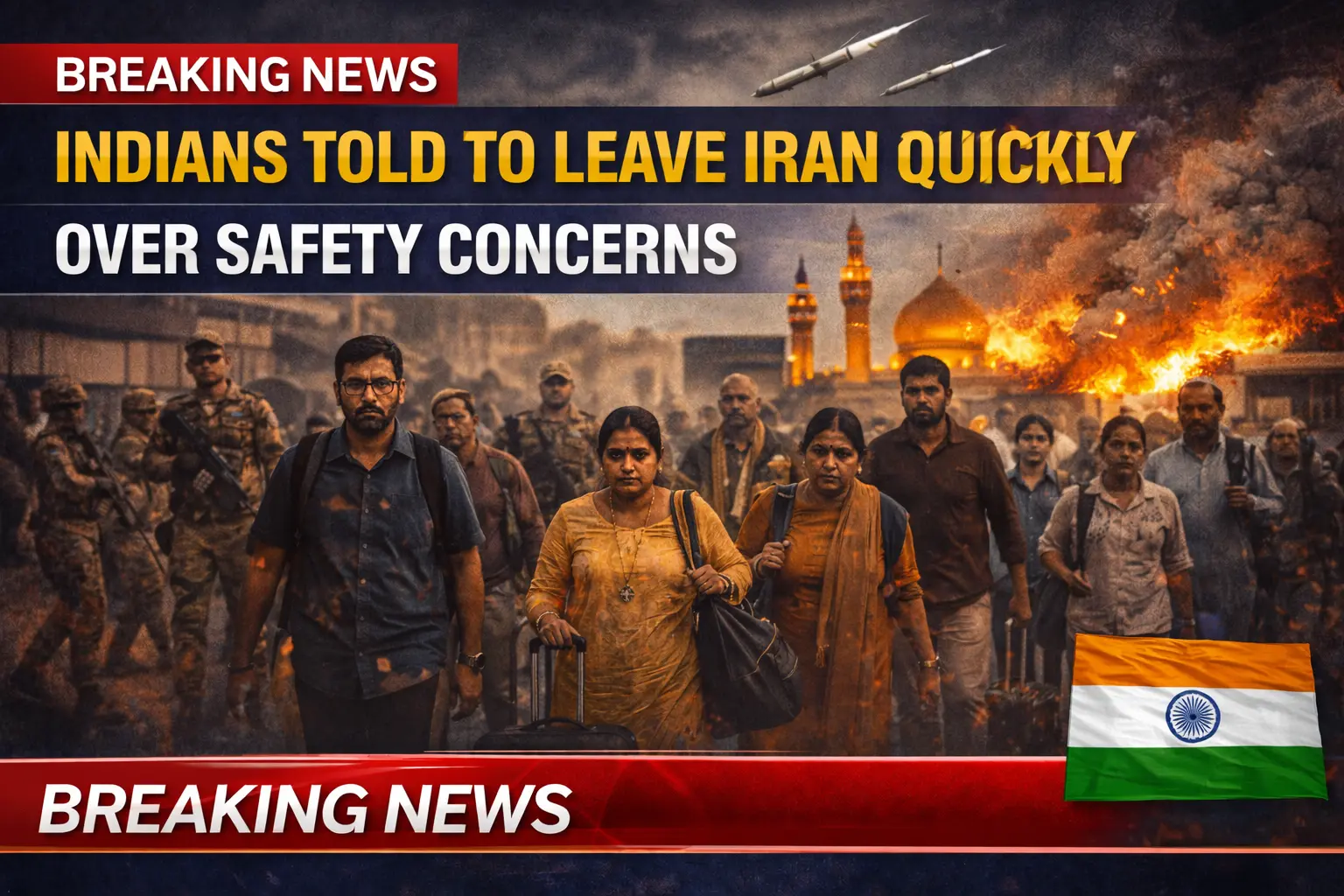
A sudden notice from India’s foreign office tells travelers in Iran to leave fast because safety there is getting worse by the hour. This update arrived midweek just after a U.S. president’s ultimatum passed quietly, yet talks for peace still stall while Tehran’s military branch promises shifts near key oil routes. As Israel alerts its people about train risks and rules out calm in northern borders, officials in Delhi grow anxious – ordinary Indians might get caught if attacks hit power lines or railways next.
Mea Issues Urgent Warning
Right now, warnings sit on MEA’s site and embassy posts – telling Indian citizens across Iran, especially near Tehran, Bandar Abbas, and the Gulf areas, to exit fast using available planes or land paths into Turkey or Armenia. Because danger feels close, the message points to possible attacks on key systems, broken rail lines, plus growing public tension. Israel shut down trains there for half a day; meanwhile Iranian forces laid mines that block most shipping through Hormuz. More than ten thousand Indians are caught in this, many working as nurses, builders, sellers. Since bombs hit nuclear spots back in February, about two thousand have made it out.
Midnight calls light up embassy lines. Nurses from Chennai leave Ahvaz when power fails. Traders based in Mumbai exit Qeshm Island mines under shadowed skies. Flights to Tehran rise with Air India’s expanded routes. IndiGo runs quiet shuttle paths through Dubai stops. Operation Sindhu returns, a move once seen in Ukraine chaos. Buses roll toward Azerbaijan frontiers, hired fast. Expense nears ₹5,000 crore, paid from PM CARES funds.
Trump Deadline Sparks Aftermath
Midnight passed without explosions, though Trump had promised consequences by eight. His vague post lingered online, unanswered. Not a single bomber took flight toward oil sites. Behind closed doors, messages between Witkoff and Araghchi fizzled – uranium deals stuck again. Sharif pushed too hard, dragging Lebanon into talks, only to get shut down by Netanyahu. Over the Strait, Hajizadeh claimed new missiles could seal off shipping lanes in minutes. Meanwhile, Israeli trains stopped suddenly, crews waiting for word that might signal strikes deep inside Iran.
Most of India’s oil rolls in through Hormuz – eighty-five percent. That link wobbles now, sending the rupee down by three full points. In Kochi, lines at diesel pumps grow longer each hour. At a recent CCS session led by Prime Minister Modi, priorities surfaced clearly – attention turned first to citizens abroad, then to fuel supplies. Talks between Jaishankar and Iran’s foreign minister Araghchi followed; safety of Indians came up fast. Around 1.2 million Indians live across the Gulf region. Among them, just ten thousand sit inside Iran – a small group, yet exposed if tensions flare.
Evacuation Routes Crowded with Fear
Chaos at Tehran airport: Indians holding OCI cards moved fast, while IRGC units scanned crowds for anyone looking like a Western spy. Instead of waiting, some Indian travelers from Chabahar were sent straight to Gwadar in Pakistan, just as Sharif tried pushing talks forward. In Mashhad, embassy tents now hold around 500 people, with mental health lines overwhelmed by constant calls.
Nowhere quiet online – cries to leave Iran spread fast, airport seats fill up quick. Flights out? Nurses from Kerala get help flying home, while folks in Telugu communities chip in for private planes. Late again, critics say – leaders waited too long, missed warnings back in February
Fear climbs as oil hits 115 a barrel. Gulf tensions nudge prices higher. Workers from India in UAE and Saudi grow cautious. Inflation worries spread fast now. Money buys less each day here.
Beyond India s borders
A countdown on exits hints at worst-case planning – the Strait of Hormuz isn’t fully blocked just now, though strikes on rails or power might freeze movement. Chabahar gains quiet favor under Modi’s gaze, ahead of Gwadar’s promise; a BRICS meeting waits in the wings. Can weeks stretch into stability without collapse? People from India move back home while clerics stiffen their stance.