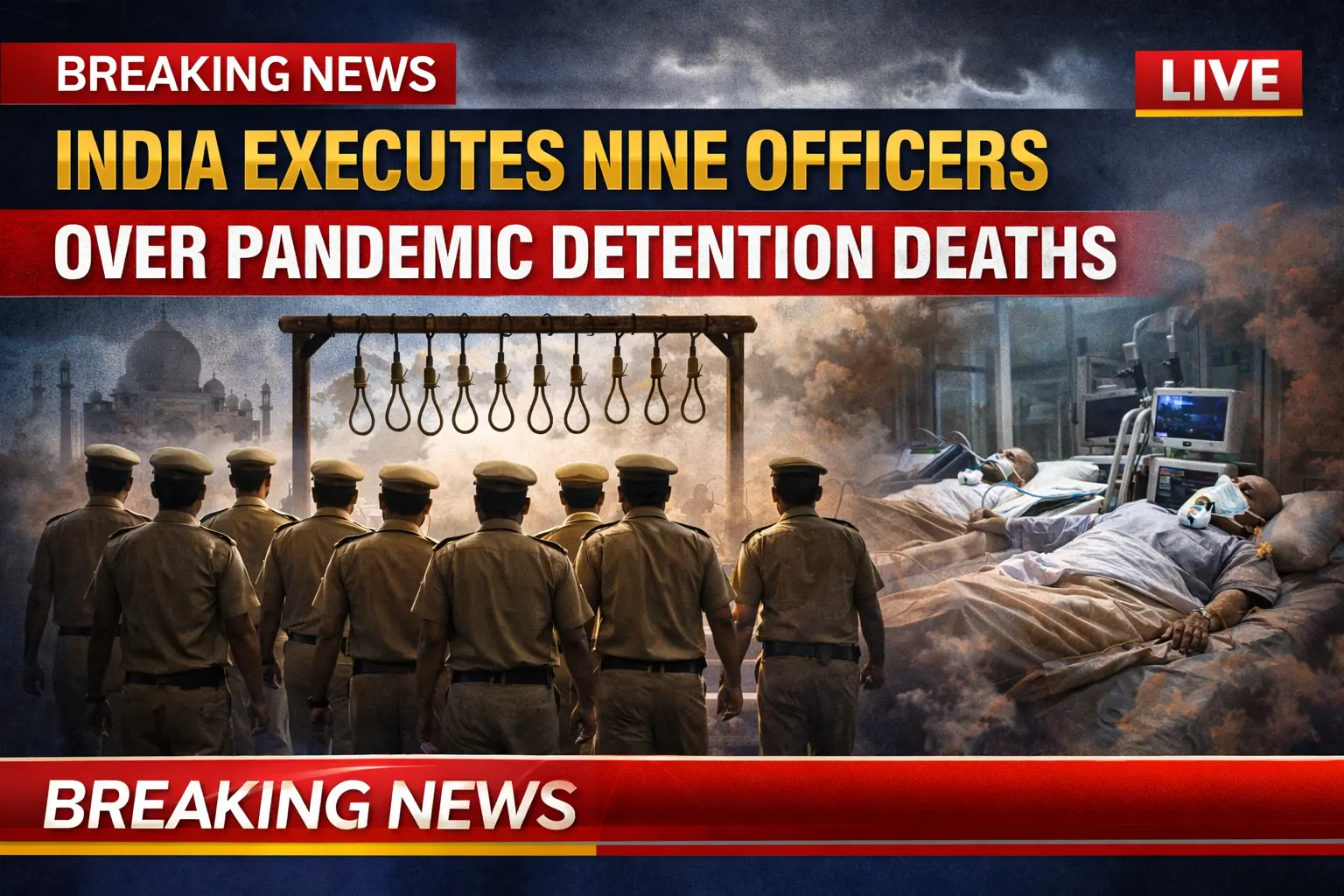
Death penalty given by a court in Tamil Nadu to nine cops found guilty of murdering four people while in detention, back when the harsh coronavirus lockdown gripped the nation in 2020. From Thoothukudi came this jarring story – officers reportedly used violence against men thought to be infected travelers arriving from Kerala. Justice arrived slowly; it took half a decade for the trial to conclude. Still, such an outcome stands out across India, where executions for killings inside custody remain uncommon. The ruling sparks fresh questions about how much control exists over law enforcement actions. Though rare, consequences like these shift public reflection on power held behind uniformed authority.
The Deadly Lockdown Incident
April 20, 2020 found India under strict lockdown rules when Jayaraj, aged 59, stayed at his electronics shop beyond the evening cutoff. His son Bennix, thirty-two, stood beside him, both caught by neighbors’ reports to officers nearby. From there, lawmen hauled father and child toward Thoothukudi Taluk station without pause. Inside those walls, violence took hold – blows rained down using sticks, metal rods, anything within reach. Two full days passed like this, silence never given a chance. When doctors later examined the bodies, they saw ruptured organs, fractured bones, blood pooled where it shouldn’t be. Other prisoners in that same room met identical fates, voices rising before vanishing into stillness. Screams had filled the air, yet nothing stopped what kept unfolding.
Fear during lockdown made things spiral fast. Because of claims about a so-called “COVID hotspot” in Kerala, tensions rose despite desperate appeals being brushed aside. Hospitals became grim scenes when bodies were left without warning, while clips spreading online revealed clear signs of violence. Anger didn’t stay quiet – it burst out across the state as DMK figures pointed fingers at AIADMK, accusing them of hiding what really happened.
Trial Ends with Shocking Verdict
A Tamil Nadu court found ten police officers guilty of killing someone, using harsh methods during tense times. Former officer Raghu Ganeth was among those named by Judge Chandrasekhar in Thoothukudi. Most will face execution, while one must stay locked up forever. Years passed before federal agents stepped in, since local efforts failed badly. Security camera clips showed parts of what happened, backed by scared prisoners speaking out plus hospital records that proved harm came from beatings. Lawyers claimed emotions ran high, yet the judge saw clear planning behind cruel acts done when people were already suffering. Though some begged for mercy, the ruling stood firm because violence had been too extreme, too deliberate.
A plea for clemency reached the president, sent by Tamil Nadu’s governor, RN Ravi. Justice found its way, some relatives felt – words spilled from Jayaraj’s wife: they gasped for water while dying, now those responsible face hanging. Groups such as PUCL tagged it an eye-opener
Bigger Effects on Police Work
Still, custodial deaths haunt India – around 1,800 each year recorded by NHRC, labeled often as self-inflicted. Following 2020, the Supreme Court ordered police to wear cameras and file reports for every arrest, though little has shifted on ground. That ruling stirs memories of four men shot dead by officers in Hyderabad back in 2019 after rape charges. While one party defends law enforcement actions, others challenge them – AIADMK pledges legal challenges; DMK demands reviews across jails.
One by one, people began seeing officers less as protectors, more like threats. As the 2026 vote draws near, eyes turn to Modi’s proposed police reforms. Hanging might scare some into line, yet problems may run too deep for ropes alone. Nine hangings suggest a hard stance, still faith takes far longer to grow back.