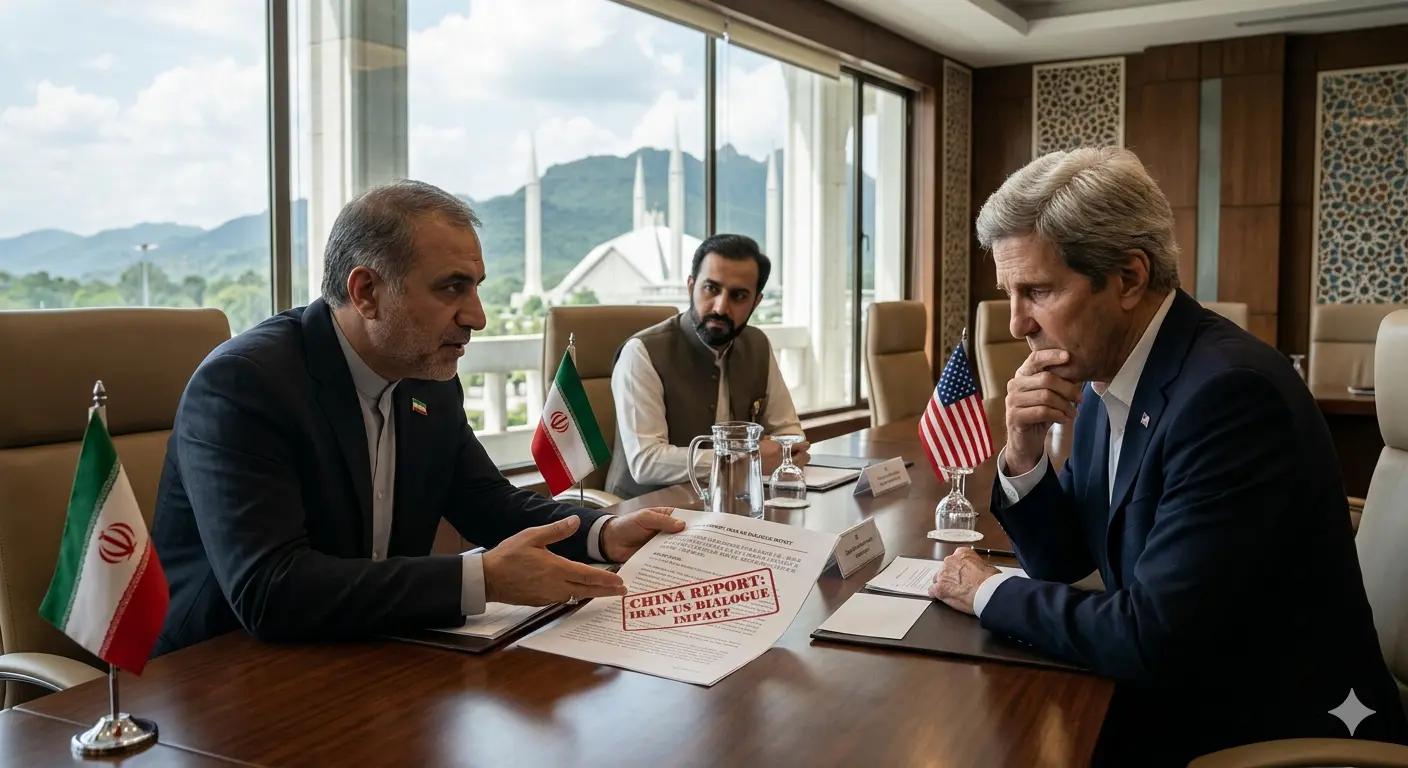
Smoke twists into the air on a Friday dawn in Islamabad while stalls come alive. Talks start between Tehran and Washington as papers surface about Chinese vessels heading to Iran, their cargo tagged for military use. Inside a polished hall, officials take seats just as reports arrive of missiles moving through warm southern waters. Clouds hang low when the U.S. team finally walks in. Far off, ships slip from a harbour near Guangzhou, hauling boxes stamped with words like circuits and displays. Out here, silence feels heavy during polite greetings upstairs at the government offices. Minutes tick by since sailors reported something odd near the coast close to Singapore. As light spills over rooftops, reporters fill sidewalk spots where coffee cups pile up. Word spreads quietly – some say cargo moved under cover might tip scales between nations. Room doors stay shut through lunchtime, voices muffled inside. Few answers reach the street.
Just before dawn broke, cars moved slowly toward Serena Hotel, guarded closely – twelve thousand troops close by, sharpshooters in place, systems armed to stop drones. Without meeting eye to eye, talks started, notes passed through aides rather than handshakes or shared rooms. From Islamabad’s top office, Shehbaz Sharif stepped in, shaping words carefully, keeping every exchange distant. Some arrived by army aircraft at Nur Khan; others crossed at Wagah, coming up from Iran. Inside, silence ruled the room. Outside, trading floors jolted suddenly. Fueled by news out of China, crude prices leapt toward ninety-two bucks a barrel. Meanwhile, shares in Gulf markets began slipping without warning.
China’s Weapons Bombshell
A new document surfaced by the Washington Post references leaked Pentagon material indicating China launched an operation named “Silk Dragon” shortly after Israel used high-yield explosives on Natanz. Satellites lately recorded two dozen cargo ships loading supplies in Shanghai ports, all destined for Bandar Abbas. Hidden within these containers are anti-ship arms, spare parts for J-10 combat aircraft, along with clusters of unmanned aerial devices – equipment sent to replace what disappeared during U.S. strikes that destroyed much of Iran’s infrastructure. Spokespeople from Chinese offices dismiss the claims as made-up stories pushed by American sources. Yet Xi reached out via phone call late yesterday evening to Iranian President Pezeshkian – an act stirring quiet surprise among spy agencies worldwide.
Nowhere near innocent, these moves clash with U.N. rules on weapon trade. Instead of paying full price, China buys cheap Iranian oil – yet faces heat for allegedly arming aggressive factions, says Sushant Sareen at Delhi’s ORF. While staying quiet on names, Tehran’s leaders confirm receiving military backing, hinting quietly at a major ally. As sanctions loom, Trump warns firmly: if shipments roll, Beijing bears the cost.
War Flashback
Flames erupted without warning on March 15. Targeting uranium sites in Iran, Israeli units left four dozen scientists behind. Back came 300 “Haj Qassem” missiles – hypersonic ones aimed at Tel Aviv and Haifa. At the same time, strikes hit American bases in Qatar; fifty service members were hurt. Then from Washington, silent B-2s erased launch shelters near Qom. Out of nowhere, planes from the navy struck hard – three Iranian ships now lie beneath waves in the Gulf. Fire streaked into northern Israel, launched by Hezbollah hiding in hills above. Down past the equator, Houthi forces slipped mines into Red Sea paths where cargo sails daily. A thousand voices gone silent. Five thousand others were dragged from the wreckage, still breathing but torn apart. A shaky pause took hold on March twenty-eighth, pushed by Trump. Above, drones kept meeting in brief fights every single day.
Chabahar waits, quiet, beneath wide skies while ONGC moves workers inland. Not until now has heat pressed so hard on India, matched only by the rupee dropping twice over. Kerala’s fuel spots stretch in coils, vehicles nose-to-tail under thick clouds above. Mid-call tension hums when Modi speaks to Sharif – peace matters, and neutrality holds firm. Beyond frontiers, smoke refuses to fade.
LIVE Updates
Out past ten forty-five, Indian time, following a break that stretched two decades in minutes, friction flared over contested numbers from Beijing. Elsewhere, inside a Tehran broadcast room, cameras rolling, Ghalibaf holds his ground, face tight, lit sharp by overhead glare.
Smoke appears without warning Shiite groups torch U.S. flags at exactly ten twenty. At the same moment, PTI followers yell backing for Sharif. Violence ignites suddenly. Gas canisters explode, releasing thick fog. Sound crashes in, replacing the stillness that ruled just earlier.
Nine thirty hits. On phones, a post by Trump lights up. Words jump out at everyone scrolling by. From him comes the claim: China moves arms toward Iran. Then follows something harder edged – a warning takes shape underneath. Now begins the talking – or else fighting grows wild. Right after, Wall Street numbers start falling fast. The Dow loses three hundred points in a blink. Quiet takes over every trading floor.
Eight fifteen hits when Netanyahu claims a deal with Islamabad blocks China’s missile plans. Sharper drills roll out under IDF command just now. Quiet patches remain, yet alert levels rise through military posts. Defence crews tighten procedures amid shifting field signals.
A spark near Hormuz after dark one American warship sinks a pair of Iranian-linked speedboats, though no injuries are reported. Calm air today, even with that swift clash on the water.
Talks Hurdles
Tehran wants sanctions lifted. It also demands Israeli troops leave Lebanon, stressing its atomic efforts are not weapons-related. Yet Washington demands a full halt to uranium processing, the breakup of Hezbollah, and scrapping rocket arsenals. The U.S. representative rejects setting pre-terms. From Iran’s view, America plays the role of a deceitful power. If talks somehow succeed, Pakistan could receive 5 billion dollars from the IMF – dangling far off, just out of reach.
Suddenly, China changes course. As Tehran depends on Beijing buying most of its oil, whispers spread about future Chinese military bases in Chabahar after fighting stops. Though Moscow pledged high-tech missiles, they have not arrived; meanwhile, weapons from Pyongyang arrive piece by piece. Ships might already be moving – U.S. naval forces watch closely, prepared to intercept, ripples of unease spreading through the ocean lanes.
Global Ripples
From nowhere, Saudi Arabia held its own gathering in Riyadh info flowing straight from American spies. Close by, Turkish troops move near Syria’s edge. Then Putin hints at meetings in Moscow, sparking dialogue. A bit of hope flickers when Guterres murmurs a quiet plea: solve it with words. From one coast to another, officials in Europe frown at rising power costs. Meanwhile, deep within conference rooms, whispers from Delhi nudge BRICS toward centre stage.
Fuel concerns rise in Delhi today. Overseas stability handles most of the city’s seven-tenths supply demand, says the oil chief. Western seas see naval movement again. Beneath it all, a distant missile test hints at unspoken tensions.
Road Ahead
Midnight is when they meet again. Experts call it a third shot at an agreement but skies look grey from China’s capital. Might movement come? Easing only comes piece by piece, once reviews finish. If talks collapse, more rounds wait ahead of the summer heat. Everything rides on this move: a noble gesture or missiles ready.
Mothers in Tehran cry when men in suits speak, their sons gone. Underground, kids in Tel Aviv huddle as dawn slips through cracks. Over Islamabad, spring shines yet storm clouds gather just beyond sight. All eyes stay fixed, waiting to see whether silence breaks or burns.