Scientists are closely monitoring rapidly warming ocean temperatures in the Pacific and have warned that the world could face one of its severe climate conditions due to an intense El-Nino event developing in the Pacific Ocean. It may lead to forest fires, droughts, floods, record-breaking temperatures, and loss of sea ice in the coming months.
According to a forecast predicted by the World Meteorological Organization (WMO), global dominance of above-normal land surface temperatures can be witnessed in the upcoming three-month period.
Seasonal models have predicted that an El Nino pattern could develop between May and July this year and may become one of the strongest on record.
What is Super el Nino?
El Niño is the warm phase of the El Nino Southern Oscillation (ENSO) characterized by the unusual warming of surface waters in the central and eastern tropical Pacific Ocean.
A Super El Nino is an exceptionally strong event defined by sea surface temperature anomalies in the Nino 3.4 region, i.e the central and eastern Pacific Ocean. It would spike the temperature by at least 2°C (3.6°F) above the long-term average.
Factors affecting/causing Super el Nino
Westerly wind bursts: Strong bursts of wind from the west act as fuel, which races more warm water eastward and prevents the system from neutralizing.
Underlying global warming: the general rising trend in ocean temperatures makes modern El Nino appear stronger than historical ones.
Climate researchers say that several warning signs are appearing simultaneously, such as expanding Kelvin waves, rising sea surface temperatures, rapid subsurface ocean warming and weakening trade winds across the Pacific.
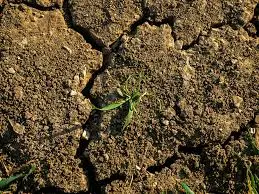
A strong El Niño can reshape weather patterns worldwide. This may cause heavy rainfall and flooding in parts of South America and Asia, drought conditions in Australia and parts of Africa, stronger winter storms in some regions, higher global temperatures and dangerous marine heatwaves.