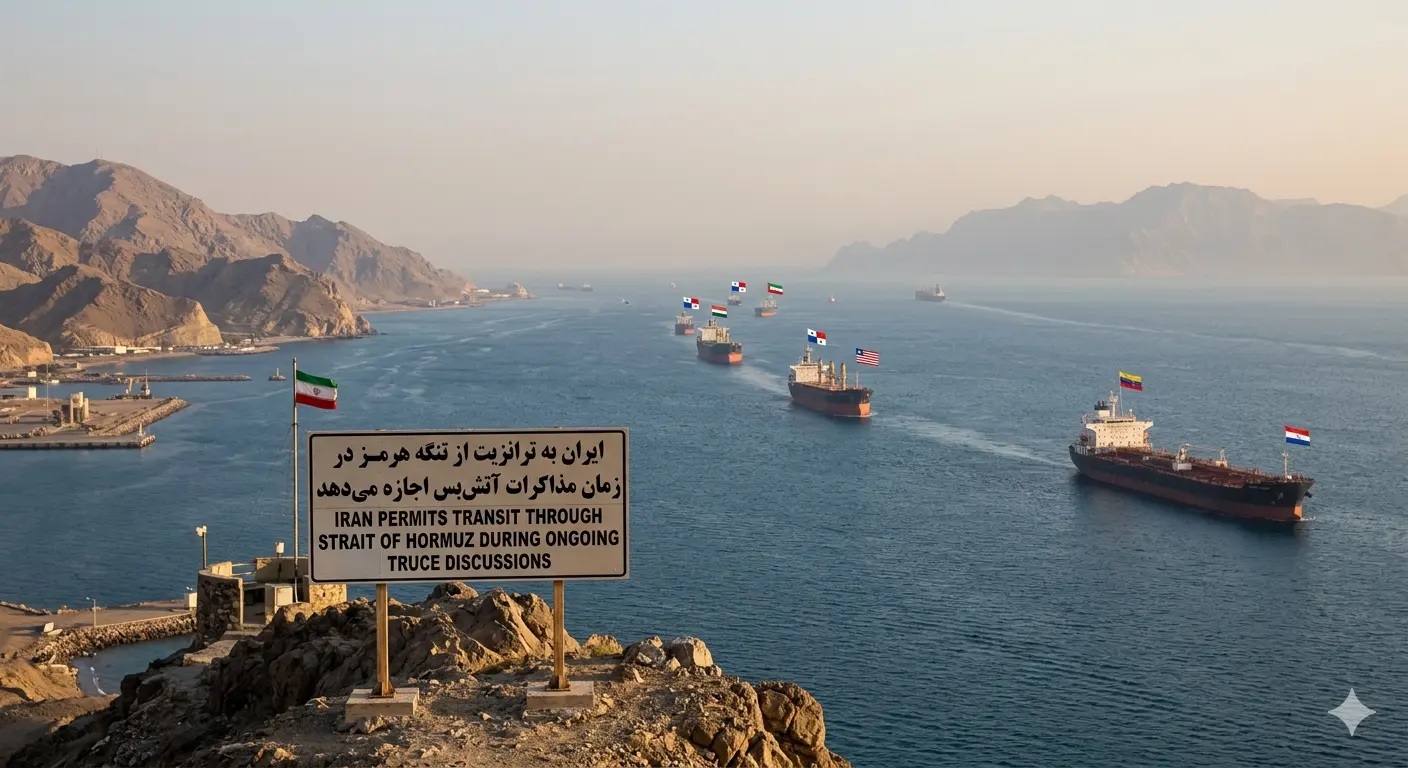
April 16, 2026 brought an unexpected comment from Iran’s foreign minister – vessels may move without restriction through the Strait of Hormuz. This change followed closely on the heels of a fragile ceasefire between Israel and Hezbollah, now holding for ten days. Soon afterward, hints emerged suggesting actual talks could begin, including the U.S. and regional players. Though peace remains far off, shifts are taking place in spots thought unlikely.
Strategic Waterway’s Reopening
One out of every five barrels of oil traded globally once flowed through the twenty-one-mile-wide Strait of Hormuz, connecting Iran and Oman. Flowing at roughly 21 million barrels daily prior to conflict, that number has since plunged by over 95 percent after strikes began in late February 2026 between U.S.-Israeli forces and Iran. Now only a handful of ships make their way across – those permitted under watchful eyes from Iran’s Revolutionary Guard Corps. Routes used today are laid out ahead of time by Iranian maritime officials, avoiding past chaos marked by sudden halts and unpredictable denials. Instead of confusion ruling the waters, coordination – with strict oversight – shapes passage now.
Fresh seas loom into view, claimed Donald Trump through a post on Truth Social, painting the strait as open once more for commerce. Yet fleets remain anchored offshore while talks lack closure. Worries about atomic ambitions haven’t faded. The freeze blocking Iran’s oil exports also holds firm.
War’s Disruptive Impact
Fighting started February 28, 2026, when Iran struck back after actions by U.S. forces and Israel, while Hezbollah stirred near Lebanon’s edge. Yet shipping nearly stalled – just 279 vessels passed from late February through mid-April, far below the normal pace of 100 daily, with 22 hit outright. April 6 saw tanker crossings shrink to 11, causing major delays for diesel deliveries. Markets twitched right away: Brent crude leapt past $100 before sliding 10 percent down to $89 as nerves settled slightly.
Markets sparkled under new momentum, the S&P 500 edging upward by 0.8 percent as the dollar softened. Flow returned where it mattered most – supply routes reactivated thanks to Gulf players like Saudi Arabia, the UAE, and Qatar stepping in. Liquefied natural gas trips, once paused, are moving again after delays. Because Moscow’s hold on gas continues pressuring Europe, these deliveries helped dodge a deeper drop in availability.
Ceasefire and Talks Underway
From silence, the Hormuz decision ties back to agreements pushed by Trump: a two-week pause in American-Iran tensions beginning April 7, later extended via talks held in Beirut. Change arrived when Netanyahu suggested paths past fighting could emerge, after Hezbollah paused nighttime missile launches. Inside sealed rooms, negotiators near a brief pact – just three sheets – that swaps twenty billion dollars, unfrozen by the U.S., for Iran’s stockpiled enriched uranium, although leaders in Tehran insist they surrender no advantage.
Many people lost their lives in Lebanon, yet more walked away from where they lived. Trade paths closing caused shockwaves through Iran’s markets. From Tehran came a hint – Hormuz may allow ships again – a soft turn following violence that spilled beyond boundaries. That choice might prevent deeper loss, soften climbing costs on distant shores.
Global and Indian Consequences
Out here, oil moving once more through Hormuz brings a break for India – almost every drop burned in cars arrives from overseas. Since those deliveries ride that narrow path, smooth transit helps hold prices in check even if the rupee stumbles. Along the western coast, plants in Jamnagar hum without pause; down south, Paradip keeps up, both filled by constant flows out of Persian Gulf fields. When fuel stays steady at stations, it props up growth just enough to match the push behind Modi’s plans.
Yet risks linger. Offshore, movements by Iran’s special forces stir unease. Across the waters of the Red Sea, strikes echo earlier ones. Rather than rush fixes, certain analysts favor slow dialogue. Someone watching closely at the UN may make a difference. Together, patrols at sea could keep tensions from growing. One past American president says agreements are close to being settled. This small hope eases feelings just a bit. Still, arguments about nuclear work remain unresolved. Quiet fights carried out by partners continue low under the surface. Focus cannot slip now.
How to Stay Calm
After reopening, things slow down – Pakistan keeps working out of sight even as ceasefires wobble. The path ahead hinges on actual moves away from escalation: Iran pulling back proxy groups, America gradually lifting sanctions. Calmer waters near Hormuz could mean steadier oil flows, shielding economies from crisis born in clashes. As vessels queue up, attention worldwide holds steady – does teamwork stick this time or slip again into old patterns.