Back then, tension hung thick over Tehran’s atomic ambitions. One chance nearly changed everything. Washington wanted two full decades without enriched uranium work. Iran offered less than half that time. A narrow gap, yet it broke apart what might’ve held. That moment faded fast – leaving behind penalties, delays, cold silence. Years passed with nothing close to agreement.
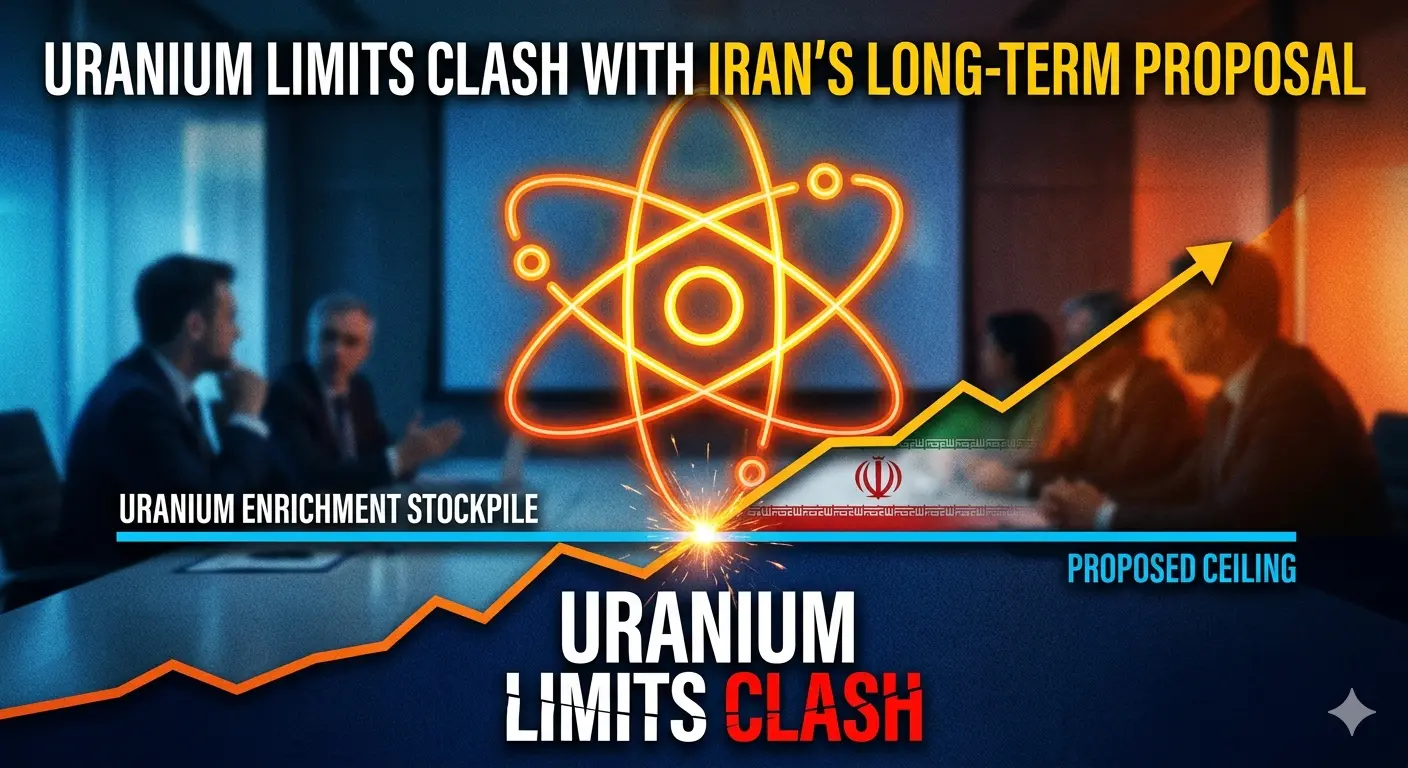
Tensions climbed high behind closed doors in Istanbul, then again in Oman – help came through envoys from Ankara and Muscat. Papers slipped to journalists, later confirmed by officials’ own writings, laid bare what really divided them. Worried about piles of processed uranium sitting in Iranian vaults – material that could become weapons-grade if altered – the White House insisted on freezing progress for twenty years straight. That freeze meant keeping nuclear work strictly peaceful, accepting intrusive checks by international monitors, slowly resuming certain operations once every detail was proven true. Instead, Washington dangled fewer penalties, promised medical isotopes for cancer treatments via reactor support, plus eventual reentry into global commerce networks.
Five years they offered instead, their stance firm but narrow. A freeze lasting two decades felt like giving up everything, so the leaders in Tehran pushed back hard. Their right to nuclear power for peace stood on NPT grounds, they claimed without pause. Fuel held overseas needed releasing now, along with wider financial benefits. Long delays meant more than risk – they struck at sovereignty and self-reliance head-on.
Close, yet just out of reach. Drafts passed between US representative Wendy Sherman and Iran’s Saeed Jalili, messages carried by Oman’s ruler Qaboos bin Said. Agreement almost took shape – then vanished when Iran’s top leader, Ayatollah Ali Khamenei, blocked it, wary of internal opposition and unsure if Washington could be trusted. On the other side, America held firm on a two-decade limit, worried anything shorter wouldn’t stop nuclear progress.
Worldwide shock followed the breakdown. With sanctions growing harsher, Iran accelerated its uranium enrichment while allied clashes spread across regions. In books such as “The Dispensable Nation,” scholar Vali Nasr frames that moment as a missed opening for peace – a pause never held – resurfacing during the 2015 nuclear deal, only for Tehran to step away in 2019 when pressures under Trump tightened severely
Back then, Iran almost reached a turning point with uranium enriched to 60 percent – now that moment weighs on leaders today. Two decades of stalled progress could’ve stopped machines spinning at Natanz and Fordow; instead, an offer stretched out for five years was ignored, fueling deeper determination. From the tense game of nuclear brinkmanship, the stretch between five and twenty years looked too wide to cross – but traces of possible deals still linger beneath the surface.