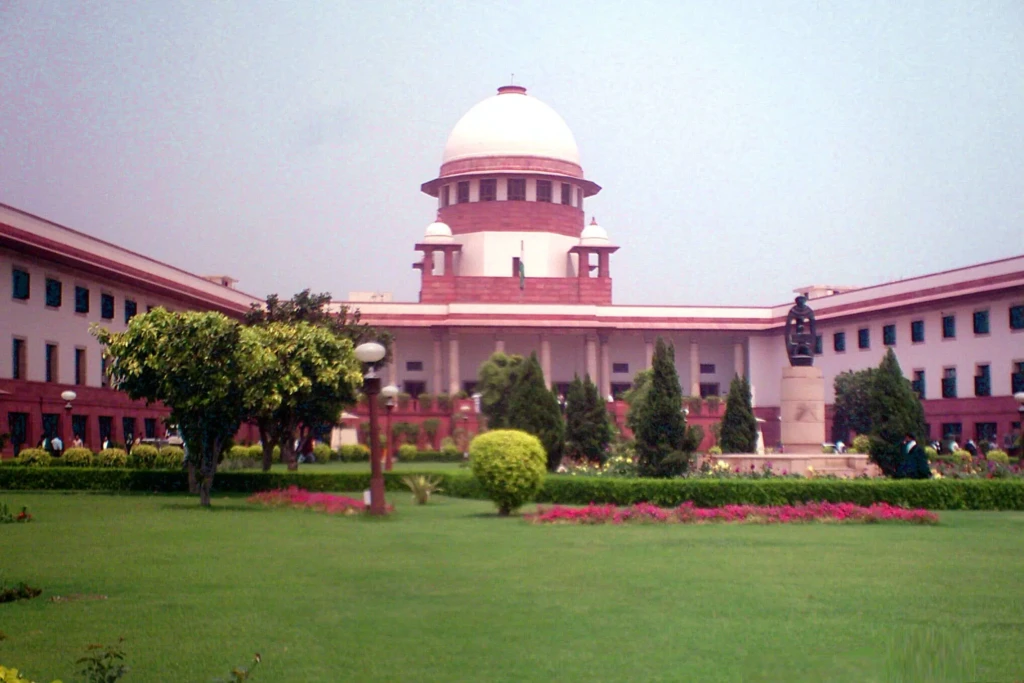
The Supreme Court in India has strongly denounced the custom of rich people to hold special pujas in temples as the deity was having a rest time and termed it an atrocious disregard of equality and sanctity of religion. The bench, which is made up of Justices, noted that these VIP darshans and special treatment of the rich at the expense of the fundamental tenets of devotion has turned holy places into a recreation ground of the privileged. This was an intervention in a petition which pointed out the manner in which these temples such as Tirupati and Siddhivinayak are violating the agama shastras, the rules in the temples, in order to take donation and this was an issue that led to debate nationwide on faith being mixed with the business.
Temple Traditions are broken.
Hindu temple practices are very specific to the deity rest time i.e. mostly between 12 PM to 4 PM or in the late evenings enabling the idol to have symbolic sleep following morning rituals. No aartis, abhishekam or the entry of the common people are allowed during this period so as to maintain spiritual purity. However, it has been reported that high-net worth people pay lakhs of rupees of their time of privacy with deities disrupting their privacy. This was called by the court as commercialisation of religion, whether money could supersede the divine routines. Justices have mentioned that, politicians and business men get slots through trusts leaving common devotees waiting hours in lines.
This is a common practice in the key shrines and is a mode of undermining equality in Article 14 of the Constitution. The supreme court ordered the boards of temples to harmonize the rest schedules without making any exceptions to donors. It made comparisons to previous decisions against VIP culture in the courts and hospitals and that temples were made by the masses, not by the high and low society.
Greater Implication to devotees.
There are millions of this kind of pilgrims, who suffer: millions of waiting, heat, and fatigue, and there are people with money, who do not stand in the queue. This, according to critics, develops resentment, and it diminishes the nature of bhakti. Special pujas are defended by temple authorities as a means of maintenance citing crores that are raised every year. The judiciary however, responded that money should not be the reason as to why someone should engage in sacrilege so they should use digital ticketing and timed slots instead.
Court Decrees and Next Action.
The court gave directions: no special rites in the rest hours, visible disclosure of donations and the CCTV supervision over inner sanctums. States such as the Tamil Nadu and Maharashtra are to oblige within weeks with penalties of contempt for non-compliance. Religious pundits justify the decision by citing scriptures that make devotion synonymous to humility, rather than wealth.
This decision strengthens the idea of secularism in worship since it is a reminder that gods sleep regardless of whether one is rich or poor. It is an indication of resistance towards inequality in spirituality, which demands reforms to make access equal.