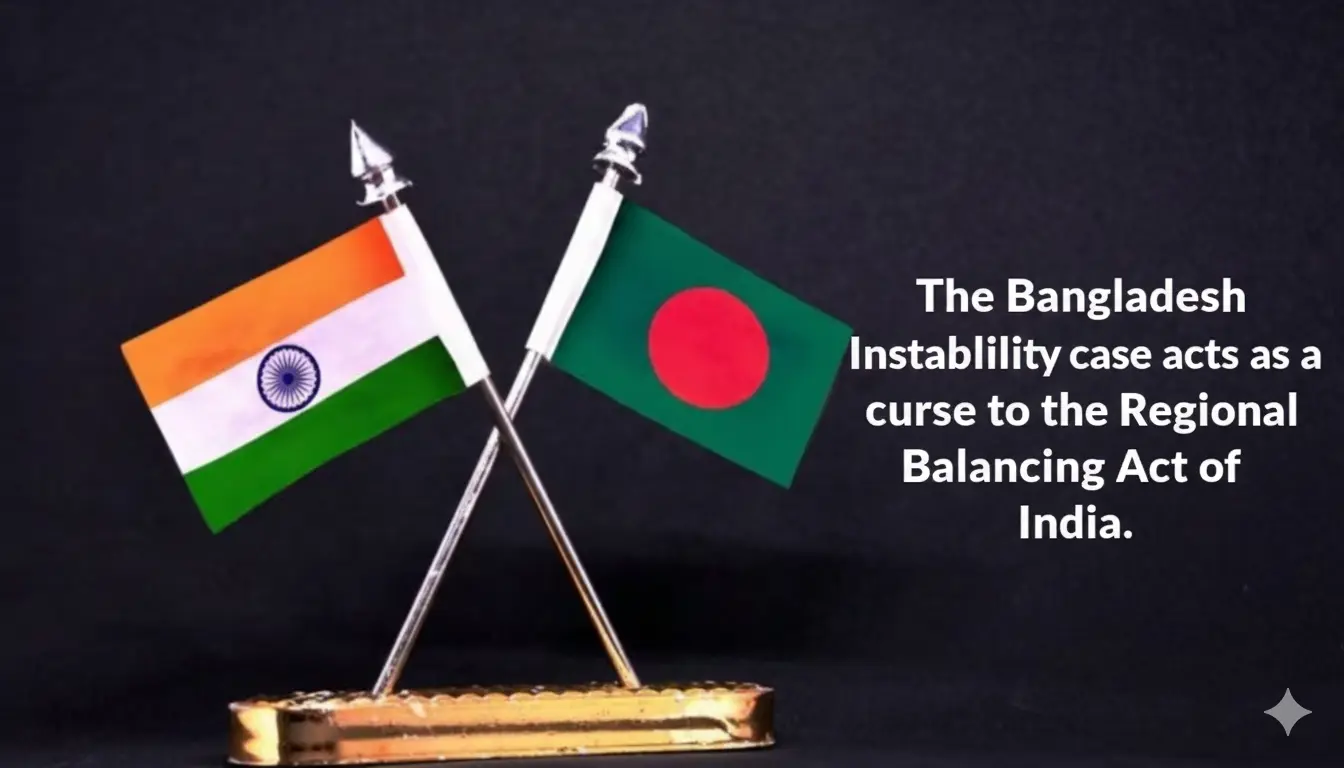
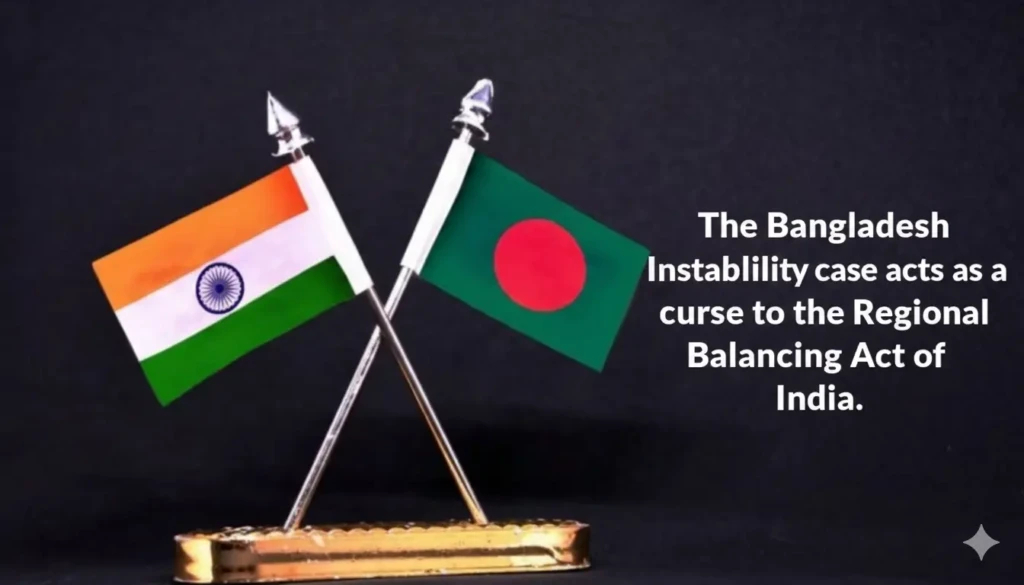
The problem of fresh concern has reemerged in Bangladesh due to the new political conflict that India must be cognizant of how to strike the right balance between border security and the regional security interests at large. Dhaka has rendered the diplomatic and security calculations of New Delhi in South Asia challenging, through the demonstration, economic insecurity, and power struggle on the ruling.
Political Upheaval in Dhaka
The Bangladesh crisis can be ascribed to months of protests over reported irregularities during parliamentary elections and lack of good governance. The resistance coalition that is being headed by Bangladesh Nationalist Party (BNP) and other minor parties, has intensified criticism against the Awami League government led by Prime Minister Sheikh Hasina which it blames to dictatorship regime. The outcomes of the confrontations between the police and the protesters have been violence, curfews and immense derailment of the normal living in Dhaka, Chittagong and Khulna.
The political environment is volatile as the administration led by Hasina is grappling with mounting dissatisfaction of the people with the inflationary rates, unemployment and the rising food prices. The western countries have urged the ruling and opposition groups to enter into negotiations but the civil societies worry that the democracy in one of the most densely populated nations in South Asia will be ruined.
India’s Uneasy Position
The issue of Bangladesh instability is a strategic and a humanitarian dilemma in the case of India. Sheikh Hasina is an experienced New Delhi partner that has facilitated the creation of favorable bilateral ties. During her reign, the cooperation between India and Bangladesh in counterterror, energy trade, and connectivity efforts was also increased. She has also received credit in cracking down on anti-India insurgents groups that were performing along the border.
However, the current crisis can undo the progress that has been made over the years. The border security has already notified of increased cross-crossing particularly of border districts in Khulna and Jessore as the civilians flee to seek refuge against political violence and economic looting. Their influx is a reminder of the memories of the refugee crisis that was witnessed in the early seventies in India in the Liberation War in Bangladesh, and is used to highlight the vulnerability of the border management even in the current times.
South block government officials admit that New Delhi is walking on a tightrope policy. Any open defence of Hasina will be an expensive affair since it can alienate most of the Bangladeshi people who are beginning to view India as a suspicious power. Nonetheless, the entirely differentiated stand may create a burden on the partnership that has been instrumental in the provision of the northeastern security of India and its Neighbourhood First policy.
Strategic and Economic Problems.
Bangladesh has also been one of the biggest trading partners of India in South Asia where the bilateral trade has exceeded USD 14 billion over the past years. The increase in instability can lead to disruption in the supply chains, especially in the textile, jute and pharmaceuticals. Lag in the Indian infrastructure companies dealing with cross border road and rail projects have been witnessed due to curfews and transport strikes.
The situation on the strategic sphere gives regional forces like China an opportunity to gain influence. Beijing has had a positive relationship with Dhaka and would also advance economic involvement as Bangladesh aims to find other sources of investment as a result of incontinuity in the country. This is what the policymakers in India fear the most since the unrest in India can result in the further draw of Dhaka to the Chinese world which will shift the balance of power in the region of the bay of Bengal.
Security experts also warn that the extremist groups can utilize the chaos. Frustration history in Bangladesh has been inclined to create space to radical organizations that intend to disrupt both the Dhaka and border states of India. The Indian spy services have stepped up the surveillance in West Bengal, Tripura and Assam in order to prevent potential infiltration or even smuggling related to the chaos.
Diplomatic Maneuvering
India in response has adopted a low profile diplomacy. The Ministry of External Affairs (MEA) has reiterated through the use of the same words that it supports peace, stability and democratic dialogue in Bangladesh without expressing its open criticism of one of the sides. New Delhi has been also negotiating with the United States, Japan, and European Union to encourage the de-escalation as the unstable Bangladesh will affect the connectivity initiatives in the region (BBIN) Bangladesh, Bhutan, India, Nepal Motor Vehicles Agreement.
The Indian think tanks have also suggested application of quiet diplomacy- the government itself, or the opposition leaders, to safeguard the interests of India, without increasing the degree of anti-India sentiment. The officials claim that border stability and the maintenance of economic relations should be among the top priority.
Pressures both internal and humanitarian.
In the meantime, India is under pressure internally by the states that are hard pressed in dealing with the migration. Stricter controls have been demanded by the Tripura and Assam local administrations that anxious a second influx of Rohingyas, as witnessed in 2017. The civil society groups appeal to humanitarian forbearance, saying that the refugees should not be provided with no option to the violence, but the politics parties are concerned about the social and economic repercussions of such repatriations.
The Road Ahead
India is left in a dilemma of empathy, security and pragmatism since Bangladesh is in one of the worst political crisis in its history during the last 10 years. The analysts believe that the New Delhi response will give it a test of its resources to not only become a responsible power in the region, but also a sensitive neighbor. Perhaps its most suitable option is to be silent by assisting in favoring peace and not taking sides.
At the very least, the stability in Bangladesh is yet to be experienced on a periodical basis, which is concerning to India. It is not just a border question but it is a test of New Delhi strategically as to its ambitions, economically as to its connectivity and as to its leadership of the neighborhood. It is the turmoil about which will necessitate special attention, diplomacy and above all patience, to see that it does not spill over the Indian borders.