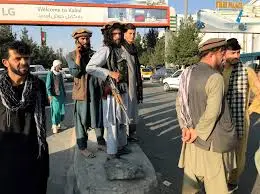
The newly introduced penal code in Afghanistan has legalised beating of women, provided no bones are broken, or “open wounds” are inflicted. This has sparked outrage among women’s rights groups. The law has legally equated women with slaves, permitting husband (so called slave masters under the law) to physically punish women. Another provision of penal code classifies society into multiple tiers, with punishment given on the basis of position within this hierarchy. Experts describe this as rigid, caste-like hierarchy within Afghan society. Hibatullah Akhundzada, group’s supreme leader signed the 90-page document, placing religious leaders at the top, followed by elites, the middle class, and the lower class.
According to the hierarchy, if a relegious scholar commits crime, the maximum punishment would be a ‘warning’ or ‘advice’. Members of the social elite may receive only advice or a court summon at most, whereas the middle class can face imprisonment. Provision of imprisonment and corporal punishment has been provided for the lower class. In the code, women are being treated as slaves, with provisions allowing slave master or husband to physically abuse women. The new criminal code, known as De Mahakumu Jazaai Osulnama’s copies have been circulated across the courts in Afghanistan.
The code allows women to seek legal recourse if assaulted, it sets high barriers as the women must present evidence of serious bodily harm by displaying their injuries to the judge. They are supposed to be accompanied by their husband, even if the accused is husband. The process for women to get justice in Afghanistan is very lengthy and difficult. Human rights organisations and legal advisors warn that the code institutionalises discrimination and removes protections for the most vulnerable.