
There was one historic event that occurred at Maharashtra when long-awaited Navi Mumbai International Airport opened to passengers finally and it marked the start of a new era of aviation infrastructure in India. The first commercial flight was opened with cheers and this heralded the beginning of operation of what is likely to be one of the busiest airports in the country in a decade to come.
The advanced facility which is formed by the Adani Group in partnership with the City and Industrial Development Corporation (CIDCO) will alleviate the congestion at the Chhatrapati Shivaji Maharaj International Airport of Mumbai which is the busiest airport in the state and which is currently handling over 45 million passengers annually. The airport has been built at a projected cost of more than 16,000 crore and this means that the Indians are becoming more concentrated on the idea of sustainable and technology-oriented urban transport infrastructure.
The Navi Mumbai International Airport is located across more than 1,160 hectares in Panvel and is equipped with the modern terminology with the state of the art digital infrastructure, automated check-in, facial recognition boarding system, and the local scenic landscape at Konkan. The capacity will be able to accommodate 20 million passengers per year in the first phase though the capacity is estimated to be 90 million passengers once all its phases have been completed by the year 2035.
Union Minister of Civil Aviation applauded the project as a symbol of new global fancies of India. In the inauguration, he indicated that Navi Mumbai Airport is a marvel of India embracing a vision, technology, and inclusive development. Chief Minister of Maharashtra Eknath Shinde termed it as an economic transformation gateway to the entire Mumbai Metropolitan Region.
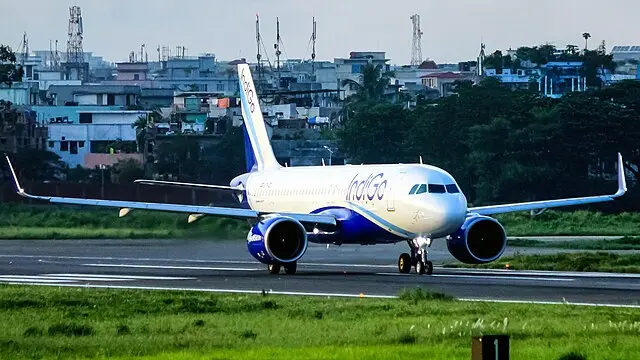
First flight customers indicated that they were excited about the convenience and connectivity they will get with the new airport. The location can be accessed well via the Mumbai Trans Harbour Link and new metro lines and can be easily commuted to the location by the residents of Navi Mumbai, Pune and Raigad. IndiGo, Air India Express and Vistara airlines already declared a regular flight schedule in the new hub.
The airport also indicates that the design of its construction process will be sustainable, and much solar energy, rainwater gathering, and environmentally friendly construction material will be applied. The green corridors and nature interiors are used to offer soothing and environmentally friendly travelling experience to the passengers.
With the airport being in operation now, analysts predict a tremendous progress in the local and global connectivity that would make Navi Mumbai an upcoming aviation and business hub. It is not only the start of the new era characterized by increased mobility to millions of travelers, but it can be said as well that it marks the beginning of a new era in the infrastructure journey in India.