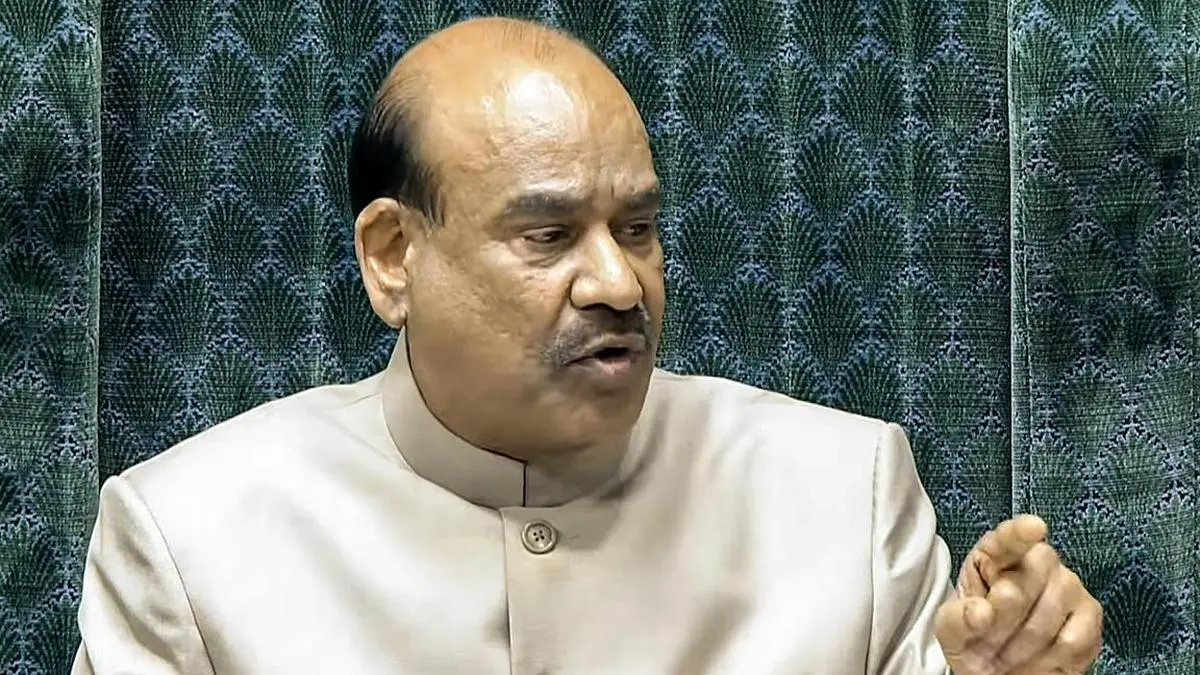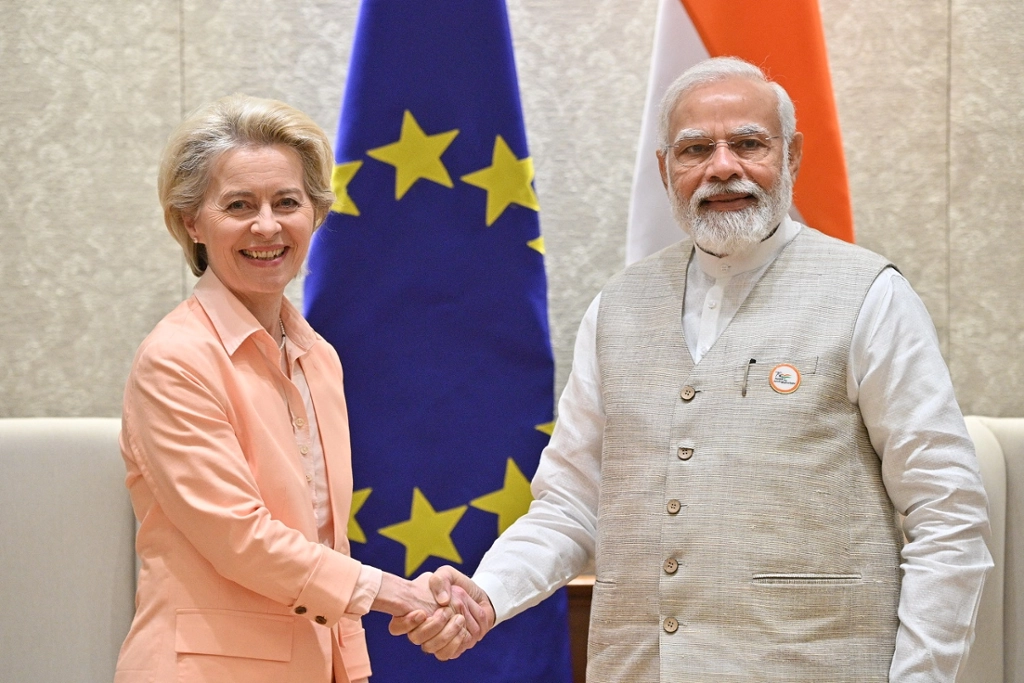
India and the European Union (EU) concluded the Free Trade Agreement (FTA) on Tuesday, January 28, 2026 after almost two decades of negotiations. The FTA billed as the “mother of all deals”, will see tariffs drop on 99.5% of the Indian exports to the 27-nation bloc. On the other hand, imports from the EU will see tariff concessions of 97.5%, which will eventually lead to a reduction in prices of European wines and luxury cars in India. This FTA will bring unparalleled opportunities for nearly 2 billion people of India and the EU, unlocking significant potential for trade and innovation.
How does it benefit India?
- European wines and luxury cars to become less expensive.
- On items such as textiles, leather, gems and jewellery, coffee, sports goods, spices and certain marine products, there would be duty free export.
- A duty-free quota of 1.6 million tonnes of steel.
- Easier for skilled-Indian workers to work in 27-country bloc.
- Phased-out tariffs on arms and ammunition, among other goods
How does it benefit EU?
- Car tariffs drop from 110% to 10%
- Tariffs elimination on Airbus aircraft and processed food
- 0% tax on most machinery, and pharmaceutical products
- Tariffs removed on 90% of EU goods.
- Car tariffs drop from 110% to 10%
What is not included in the deal?
India and EU made sure to exclude their sensitive sectors. India has protected its strategic agricultural and dairy sector, whereas EU will not make any changes in its current tariffs on beef.
- No concession on items such as chicken and rice
- No agreement on government procurement of rice and wheat
- India rejected a “sustainable development” chapter
- Agreement on Geographical Indications
Amid global uncertainties, signing of this FTA is of great significance. Partnership of India and EU will strengthen stability within the international system.