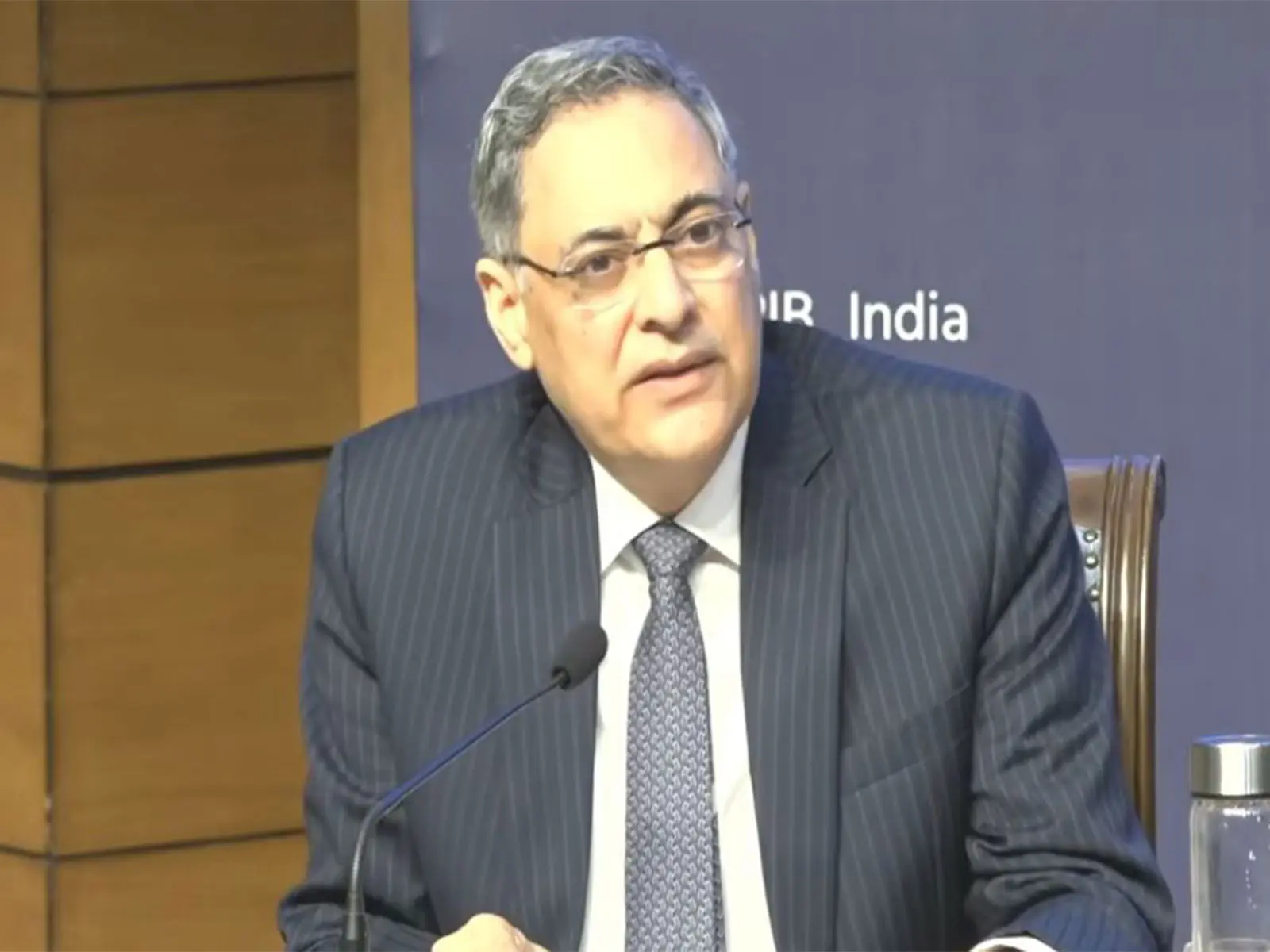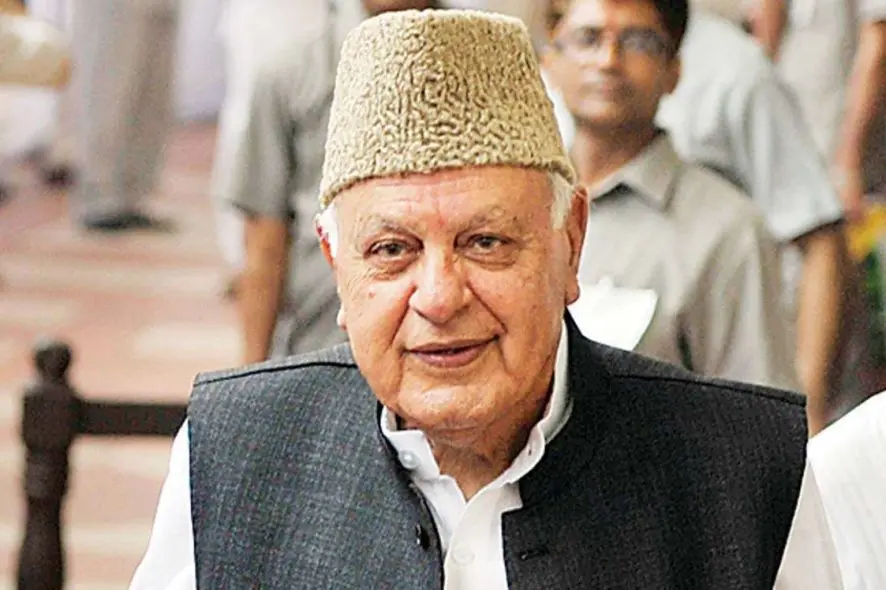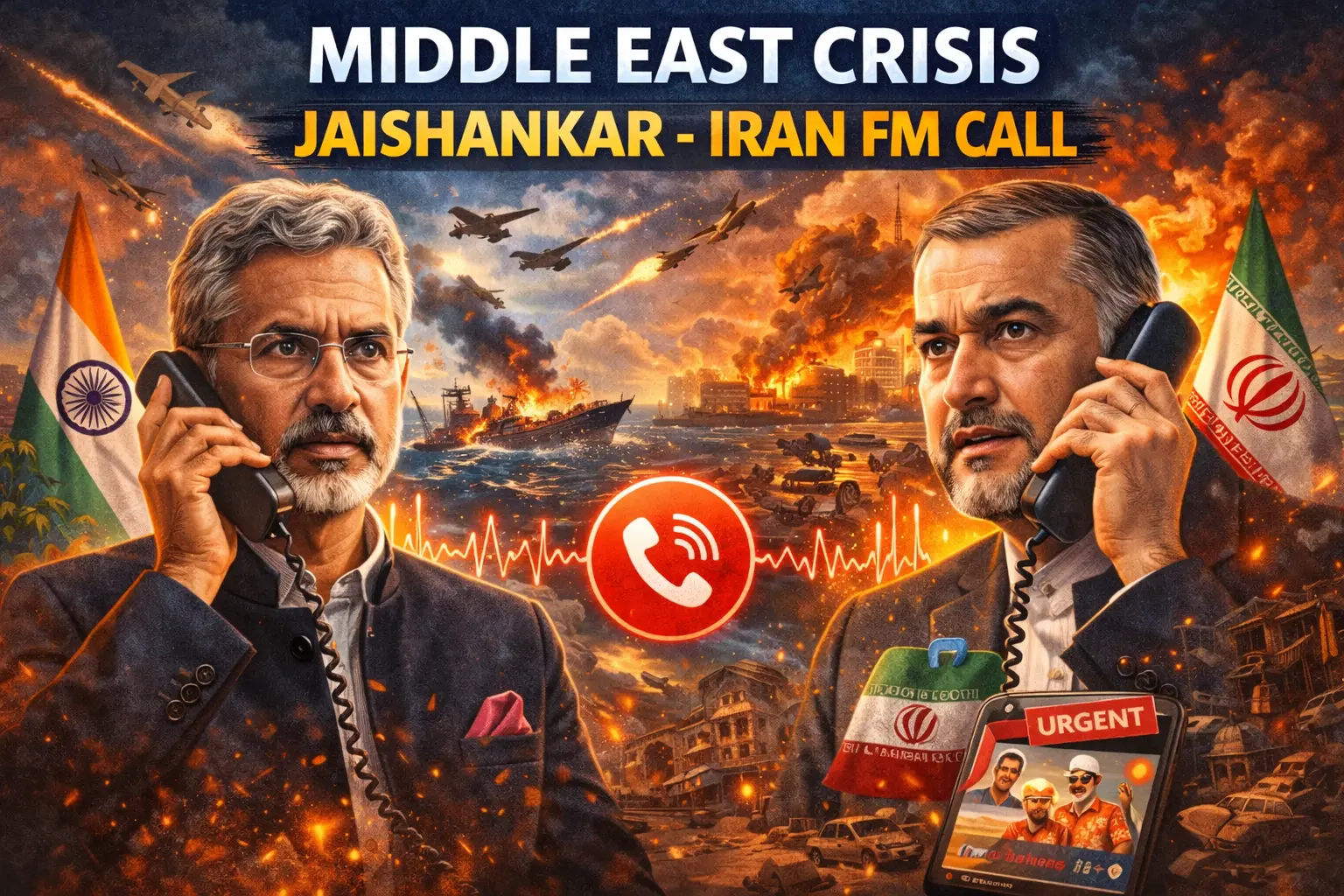
As the region witnessed a tussle of tensions the Foreign Minister of Iran, Seyed Abbas Araghchi was engaged in a very crucial telephonic conversation with the Minister of External Affairs of India, S. Jaishankar. This foreign policy brings the aggressive role of India into the limelight and requested restraint as the missiles flew and the region became heated.
Tension on Middle Eastern Stress.
The Middle East is in a state of increased instability to some degree involving occurrence of an encounter between Iran, Israel including the allies of the US. The most recent news is about Israeli attacks on Iran and Iranian airstrikes as a response to it and the blocking of airspace by Gulf countries and disabling major shipping routes like the Strait of Hormuz.
India has closely followed these developments with an interest because she has a stake in the imported energy as well as millions of expatriates in the region. Jaishankar had made the call on March 5, 2026, several days after a similar one had been made to the counterparts in Israel and the Gulf, which makes the New Delhi strategy a balanced diplomacy.
The inability of nuclear talks, the proclamation of massive combat operations by the US President Donald Trump against Iran, which puts at risk the further expansion of the conflict, increased this crisis.
The key issues of Jaishankar-Araghchi Interview.
Jaishankar replied to the call through a post on X: I have spoken to the Iranian FM Seyed Abbas Araghchi today afternoon. He claimed that India was deeply worried about what was occurring in Iran and the region in general and once again issued demands of an immediate stop and de-escalation.
This came upon a previous discussion of February 27, 2026 by Jaishankar also urging diplomacy amid initial hostilities. One of the old diplomats, Araghchi, who had been engaged in foreign policy of Iran during this uprising, has described the position of Tehran, and he condemned the wrongdoing to sovereignty.
The Ministry of External Affairs in India emphasized on dialogue and it deplored the fact that lives had been lost and the security of the civilians was of high value.
India’s Diplomatic Strategy
A multi-aligned India can be seen through the fact that Jaishankar was calling upon Iran, Israel, Qatar, UAE, Saudi Arabia, and so on. New Delhi would not want to suffer spillovers in trade, oil supply and the Indian workers in the Gulf.
The demise of the Supreme Leader Ayatollah Ali Khamenei also witnessed a unity in the display of mourning with the Foreign Secretary Vikram Misri signing a condolence book in the Iranian Embassy. The ambassador of Iran in India threatened to take vengeance on criminal aggression, but did not confirm the statement of war.
The position that India has adopted is not an isolated act since India had never lacked the concept of non-alignment and has been championing ceasefire and accountability in line with the international laws.
Broader Regional Impact
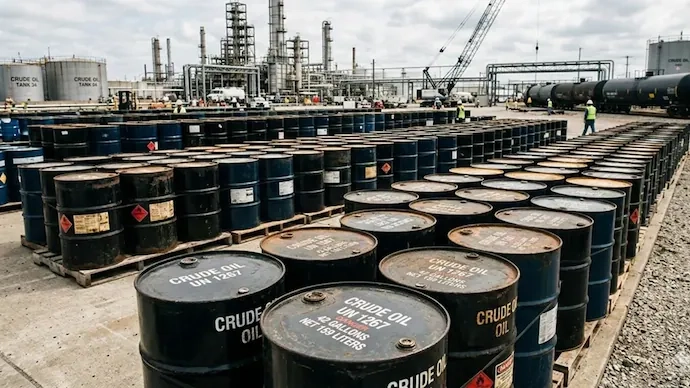
The war disrupts the energy markets of the world, and the oil prices soar with the warnings in the Gulf and shipping lockdown. The area also accommodates over 8 million Indians who work and reside in the area and thus evacuate the area similar to how they did during operationSafeHomecoming in the previous crisis.
Pakistan and Afghanistan also have some ripple effects, the border tension and pressure of the refugees are ever growing. In the economic front 85 percent of oil that is used by Indians is imported in the Middle East and therefore stability is essential in the management of inflation and growth.
The Iranian-Israeli Indian Balancing Act.
India is in good terms with Iran and Israel- Chabahar Port and Tehran linked to Afghanistan besides the defense technology with Tel Aviv. These are not chosen sides since Jaishankar sustains these by his dual appeal.
The Indian-Iran dialogue continuity can be traced back to the activities that took place in the past like the briefings on sovereignty by Araghchi. New Delhi also welcomed prior ceasefares since it hoped to do the same in de-escalation.
Global Calls for Restraint
The world leaders are not deaf to the cry of India: UN requests unity, and the Gulf nations train the military units. The activities of the US-Israel are the implication of the nuclear standoffs, but Tehran threatens to counter them.
The voice of India is authoritative as it is an increasing force, which calls to stop the conflict in order to avoid humanitarian catastrophes.
Implications for India
This crisis is a burden to the Indian foreign policy of Prime Minister Narendra Modi. The priorities include ensuring flow of expatriates, energy flows and being a peace broker.
Jaishankar active telephone talks are mitigating risks since some of them aid in establishing consular cooperation with Iran. India is curious about how Chabahar would be utilized in INSTC (International North-South Transport Corridor) in the case of disruptions on long-term basis.
As the events continue up to the year March 2026, New Delhi is alert and is balancing security versus strategic alliances. The fact that Jaishankar has visited Araghchi shows that India is concerned about the stability of the neighborhood.