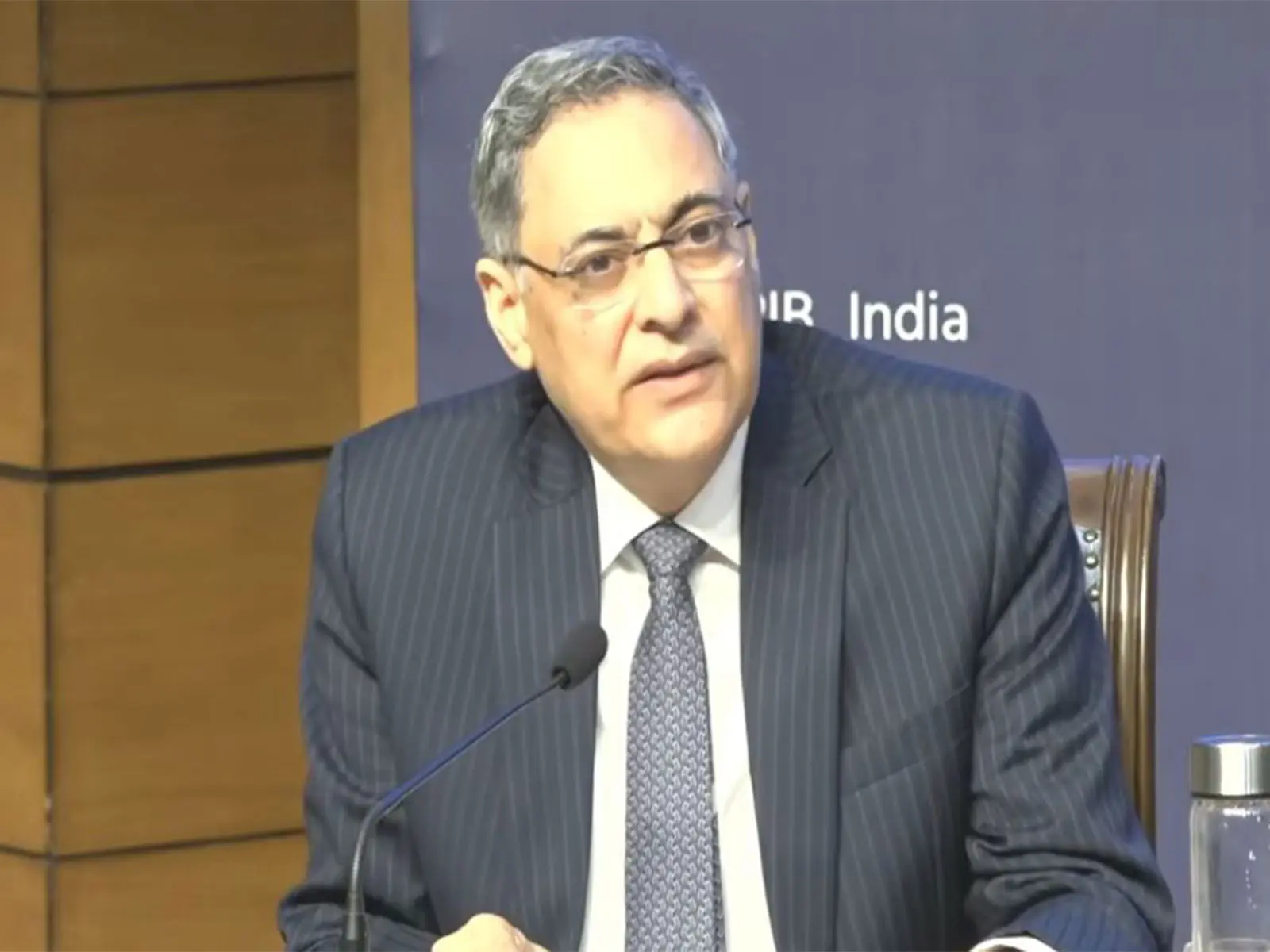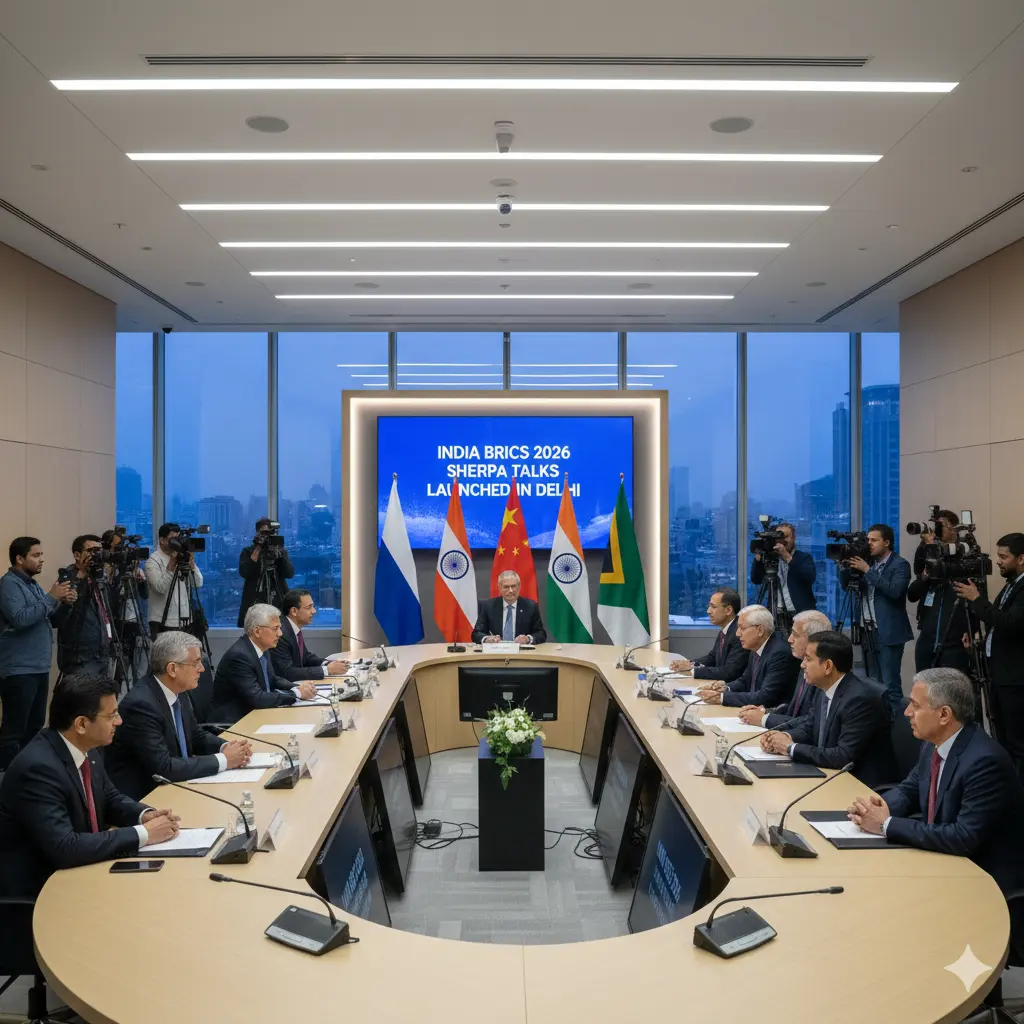
Since India was just starting its BRICS chairmanship, the first Sherpa and Sous-sherpa conference took place in New Delhi on February 9-10, 2026, which preconditions the global south leadership throughout the year. The two-day huddle, which was chaired by MEA’s Secretary ( Economic Relations ) Sudhakar Dalela and Joint Secretary Shambhu L Hakki, was attended by senior officials of Brazil, Russia, China, South Africa, Egypt, Ethiopia, Iran, Saudi Arabia, UAE, and the newcomer, Indonesia.
On February 10, the delegates were hosted by an External Affairs Minister, S Jaishankar, highlighting the transformation of BRICS into a major platform of the Global South in 20 years. The conference centred around the Indian theme of: Building for Resilience, Innovation, Cooperation and Sustainability with a mixture of economic weight and people-oriented activities. There were health, agriculture, disaster management, climate action, energy security, digital tech, counter-terrorism and trade finance presentations.
Strategic Priorities Revealed.
India brought forward a strong agenda, which focused on institutional changes to sharpen the BRICS advantage given the changing geopolitics. Other major tracks were economic partnerships through the BRICS Business Council and the Women Business Alliance as well as think-tanks, academic forums and civil society discussions. Sports, young interactions, and cultural relations were in the limelight to carry out the humanistic theme of PM Modi that envisioned relating to 3.5 billion citizens of the country.
Akshardham Temple and the National Crafts Museum were visited by the delegates, which created soft diplomacy. The attendance of the Vice Foreign Minister of China, Ma Zhaoxu was an indication of buy-in by Beijing even after previous friction between the two countries. The Sherpa of Russia advocated multipolar reforms whereas Brazil and South Africa emphasised sustainable development goals (SDGs).
BRICS Expansion Dynamics
The extended 10-member block, now including partners such as Belarus achieves coordination issues but increases its share of GDP to above 35 percent around the world. The sherpas of India came up with 100-plus events, which ended in the handover of the Kazan Summit. Priorities are also in line with G20 outcomes of Delhi 2023, where de-dollarisation is made a priority through loans by the New Development Bank (NDB) of over 30 billion.
Supply chain resilience after the Ukrainian war and Red Sea escalations were discussed and India suggested AI governance and transfers of green technology. Counter-terrorism has been spreading against the background of increasing extremism, and it is associated with the reforms of the UNSC in which BRICS are pressing the issue of equity.
Geopolitical Backdrop
This launch is amidst the US President Trump threatening tariffs that shake allies increasing the attraction of BRICS to non-Western trade blocs. India has taken a neutral position in Ukraine and Israel-Palestine and this makes it a bridge-builder. Economists look at the intra-BRICS trade of over 500 billion, as rupee-rial settlements and NDB infrastructure.
Difficulties remain: the hegemony of China annoys the members, and an agreement cannot be reached regarding expansion. However, Jaishankar welcomed the positive exchange by projecting stronger institutionalization such as a secretariat.
Economic and People-Centred Focus.
Vaccine Maitri achievements are used to plan Health cooperation against pandemics. Food security is being proposed by Agriculture as sharing crop tech. The labour migration and skill schemes target the youth surges. The NDMA model of disaster risk reduction uses that of India.
The discussion about energy focuses on renewables, and the 500 GW non-fossil target of the Indian Government is inspirational to other countries. The ICT pillars involve cybersecurity standards and fighting the monopoly of big tech. Like Startup India, entrepreneurship is highlighted in female forums.
Road Ahead
Tackling of tracks will be honed by regular Sherpa meets, leading up to the 18 th Summit. The previous Brazilian expansion of chairs creates precedents; India intends to leave a legacy in appeal in the form of a BRICS grain exchange. The Global South countries are taking a closer pursed interest as Delhi incorporates BRICS out of economics into the realms of security and culture.
Companies expect to get procurement contracts, facilitating $1 trillion of trade opportunities. As American First resounds with the Trump administration, BRICS is providing alternatives, ranging from contingency reserves to space cooperation. The skilful hosting of the India 2026 World Cup reaffirms that India has the weight to support its diplomacy in the coming years.