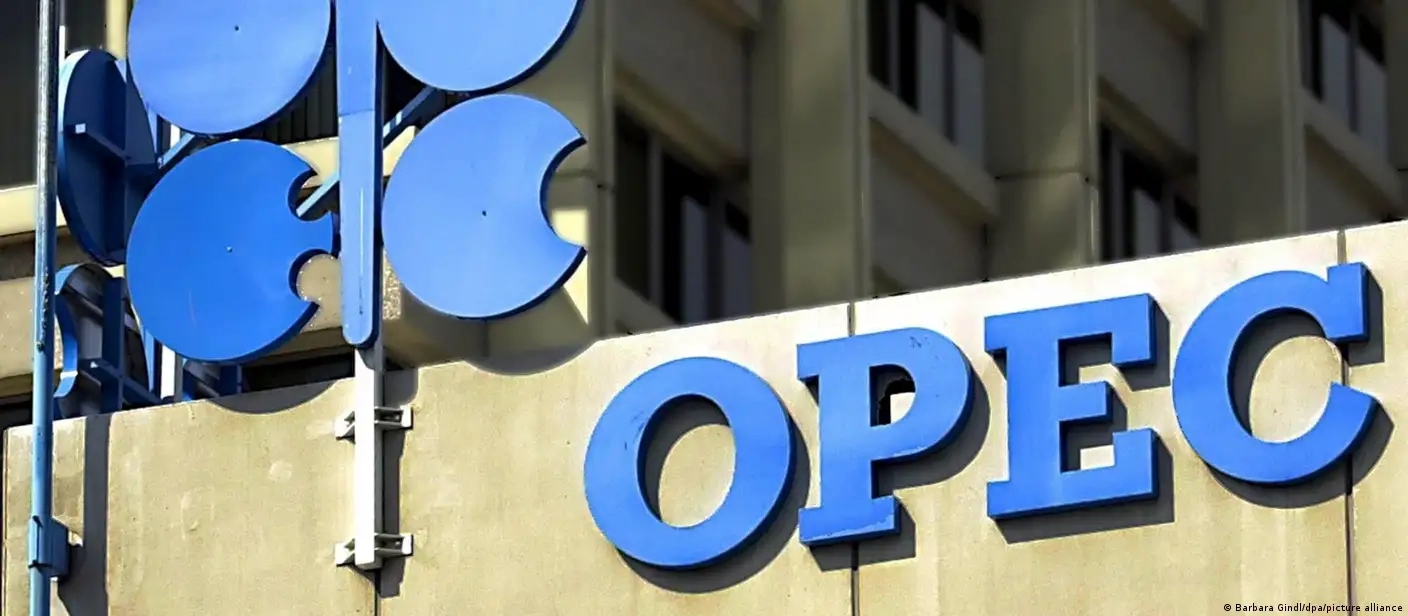
The UAE has made a significant move to exit OPEC and OPEC+ from May 01, potentially weakening one of the most influential producer alliances and altering long-standing supply equations. The decision was taken independently without consultation with key members such as Saudi Arabia. The development comes at a time when conflict involving Iran war has already triggered a historic energy shock and unsettled the global economy. Stepping away from the group would give the country greater flexibility, as it would no longer be bound by collective obligations. Abu Dhabi has been a longstanding member of OPEC, initially through Abu Dhabi’s entry in 1967 and later as a unified nation after its formation in 1971.
Difference between OPEC and OPEC+
| FEATURES | OPEC | OPEC+ |
| Aim | To regulate oil supply and stabilize prices | To expand control by uncluding non-OPEC holders |
| Formation | Founded in 1960 in Baghdad by Iraq, Iran, Kuwait, Saudi Arabia, and Venezuela | Formed in 2016 through cooperation between OPEC and 10 non-OPEC countries |
| Objective | Coordinate petroleum policies among member nations | Strengthen global oil market management through wider cooperation |
| Nature | Formal intergovernmental organisation | Informal alliance |
| Members | Algeria, Equatorial Guinea, Gabon, Iran, Iraq, Kuwait, Libya, Nigeria, the Republic of the Congo, Saudi Arabia, the United Arab Emirates and Venezuela | It comprises 12 OPEC countries plus Azerbaijan, Bahrain, Brunei, Kazakhstan, Russia, Mexico, Malaysia, South Sudan, Sudan, and Oman |
| Leadership | Dominated by Saudi Arabia | Joint leadership of Saudi Arabia and Russia |
| Share in oil market | Produces ~30–40% of global crude oil and holds ~80% reserves | Produces ~40–50% of global oil, giving higher influence |
| Decision making | Internal quota system | Collective decision with both OPEC and non-OPEC members |
| Headquarters | Vienna, Austria | No separate headquarters |
| Response to market changes | Changes output based on demand-supply conditions | Implements larger coordinated production cuts or increases |
| Influence on prices | Adjusts production to manage price stability | Stronger price influence due to wider participation |
The UAE’s decision signals a transition from coordinated supply control to competitive production strategies.