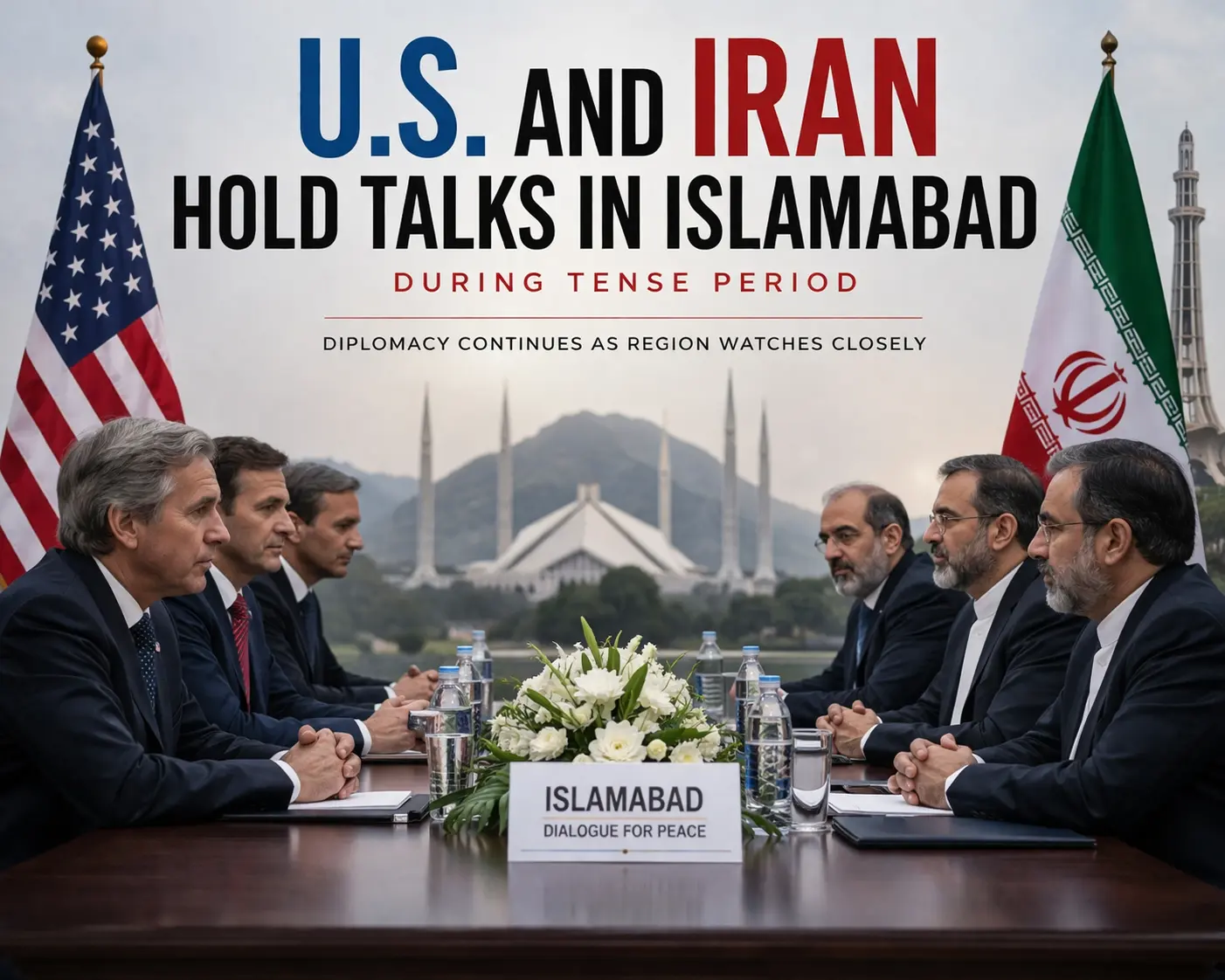
Morning light crept across Islamabad, dull and clouded. Silence filled the room where talks started – weeks had passed since tension spread without warning. No speeches marked the moment, just two groups taking seats at a stretch of polished wood. The Serena Hotel stood tight with barriers, machines humming, guards watching closely. Americans walked in first, led by someone few expected – JD Vance stepped forward quietly. Soon after, Iranians followed slowly – Ghalibaf emerged from a dark car, calm, unhurried. Araghchi came next, moving through checkpoints while eyes tracked each step. Stillness took hold suddenly – strange peace gripping a place used to noise. Only days earlier, everything hung loose until words from Trump shifted something unseen. Talks like these happening here? Nobody saw it coming.
From silence, movement – boots stormed the city, filling streets with patrols. More than ten thousand personnel – police, border units, military – locked down central zones by midday. Above, drones turned slow loops, sharpshooters took cover on stony edges close to Margalla. Roads disappeared, blocked by heavy concrete and steel barriers fastened tight. American delegates came at first light; Iran’s group stepped out once dark fell. Out of sight, conversations had begun even before official meetings started. Middlemen carried messages while Prime Minister Shehbaz Sharif steered things quietly behind the scenes. A call came through – president Masoud Pezeshkian on the line – then suddenly Iran stepped into view. That moment changed direction; neutrality now looked less like waiting and more like strength. Tiny shifts in world oil costs followed, prodded by whispers those talks might actually move forward. Fewer ships moved through Hormuz, slipping past with caution. A drop of three percent showed how unsure traders felt.
Last month things exploded fast after Israel hit nuclear spots inside Iran. Moments later, missiles named “Haj Qassem” launched from Tehran shook buildings in Tel Aviv, reaching close to Kuwait and brushing past Bahrain too. In reply, U.S. forces moved hard – wiping out arms workshops, shooting down flying drones, stopping fighter jets before they could land. Numbers keep rising: two hundred forty-seven American service members injured, thirteen lost; across the line, Iran admitted several deaths, one being the companion of a key strategist torn apart in a Damascus explosion. Far beyond the north line, flames rose as missiles left Hezbollah ground, striking lookout spots near Israel’s border. Broken pieces fell over Bahrain, hurting people when chunks hit nearby. Updates arrived late, marked “tonight,” tied to Trump – his voice warning of breakdown unless terms were met. Through slow waters of the Gulf, ships advanced, drifting on heated flows.
For peace to take hold, strikes against Lebanon must stop – also sanctions need removal, says Iran. Rather than backing truces linked to what Israel does, Vance cut those ideas short. Mid-sentence, he insisted nothing comes before silence in the skies. Talks between Beirut and Jerusalem line up for Tuesday, despite zero faith shared so far. Raw edges show, Ali Vaez says – trust has worn thin, making every move tense, each step feel like lifting stone. Even after calling U.S. actions terror, Pezeshkian left space open, since earlier talks reached him sideways, never straight across.
Now India keeps its eyes open. Oil coming from Iran is less than before, whereas progress at Chabahar port moves slowly. Even when officials call for calm, unease stays present, with soft hints about actions taken by Pakistan. Suddenly, a phone rings – Modi talks to Sharif – business holds steady in nearby regions. From Riyadh, nods appear; Saudis sense ease because peace efforts advance, although concern shows when crowds head west in big groups.
Live Updates
- Half past ten hits, light cutting across the hotel doors as people drift into Serena. Not a single detail has slipped out so far, not even a whisper. Outside, behind the windows, sound piles up – shouts growing louder with every new face. Iranians on the street respond to the crowd waving flags close by. Heavy air sits there, you can nearly touch it.
- 9:45 AM: Trump tweets: “Big progress possible today – Iran chooses peace or pain.” Markets jittery.
- When the clock hits eight thirty, Vance pulls into Nur Khan Airbase. At about the same moment, Araghchi crosses into the country through Wagah. A car travels toward the west; meanwhile, a second one points eastward. Paths stretch out separately – no meeting point forms between them. Each follows its own line.
Fresh off the night, a spark flickered near Hormuz – just a small drone thing, nothing struck. Almost at once, Israel pushed its warnings up, all the way to red. Then quiet again.
Out front, maybe just small shifts expected. Still, Tehran offers to step back from nuclear work if penalties lift, whereas Washington demands missile limits while urging allies toward calm. If talks break down, unrest could spread – Ankara, Moscow, Beijing waiting nearby. Now the leader ties his standing to a deal; when trust fades, Islamabad faces sharper money troubles fast.
Midway through discussions, assistants pass handwritten messages. Should an agreement emerge, worldwide partnerships might realign, crude dipping toward seventy dollars – while tensions rise in distant corners. Attention locks onto Vance facing Ghalibaf, testing limits. For India, calm brings reliable fuel movement, harbors operating on time. Each moment here pulls threads felt far beyond its walls.