A wrong move spread fast online. When Pakistan’s leader wrote about peace efforts, his words changed midstream – first claiming a broad agreement involving Lebanon, then quietly removing it. That edit drew laughter across social media. People noticed the shift. Questions rose over whether such posts shape real diplomacy or expose missteps. With tensions climbing near key waterways, and Iranian forces making threats, every message carries weight. The United States waited. Strikes did not come. India told its people to leave Iran quickly. Words typed in haste now echo louder than intended. A single update sparked doubt. Trust frayed at the edges. Behind closed doors, pressure builds.
The viral post that disappeared
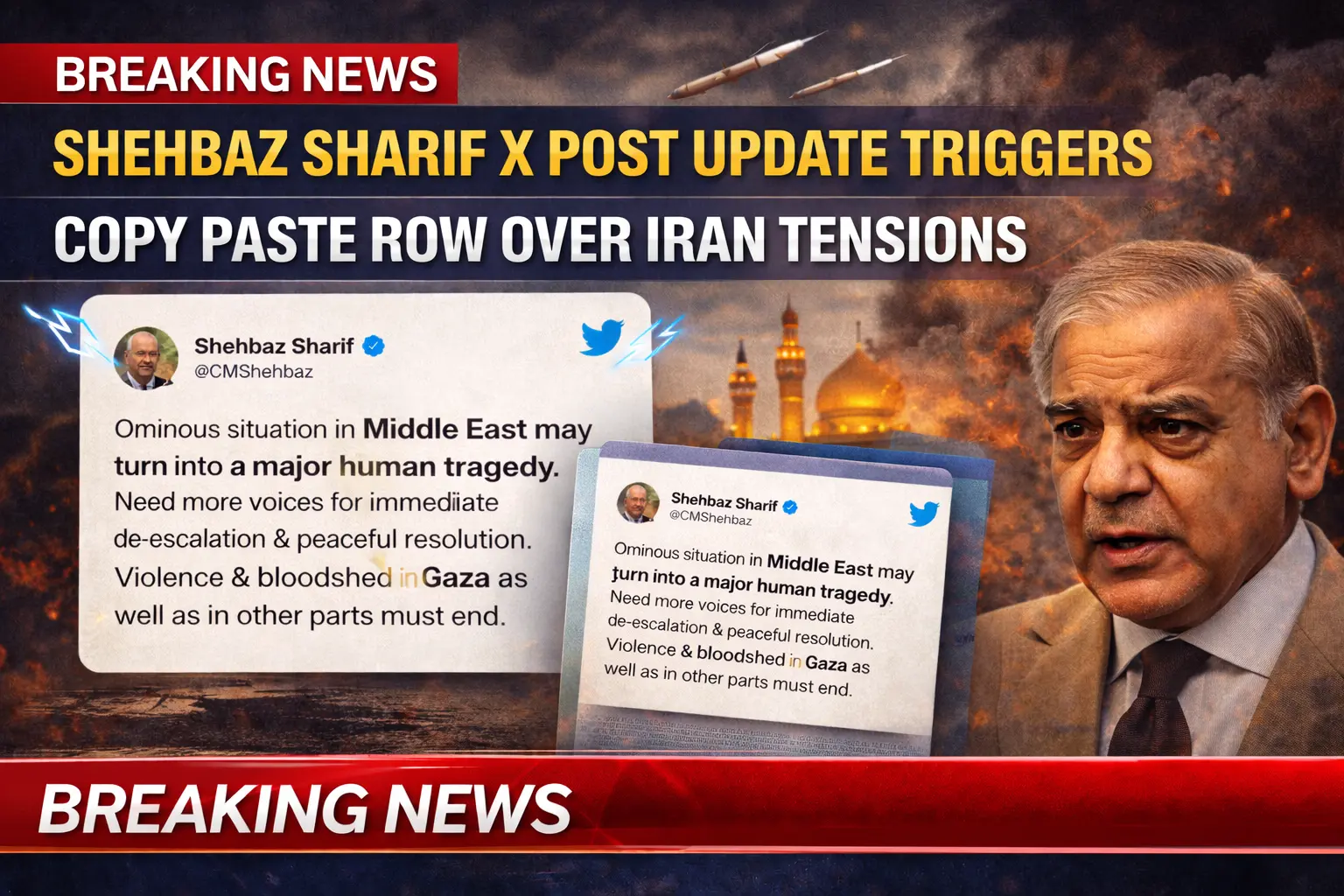
Sharif’s April 7 tweet read:”Positive signals for comprehensive ceasefire across Iran, Lebanon, Yemen. Pakistan-Egypt-Turkey mediation yields Phase 1 progress: Hormuz thaw, uranium caps.”Within 20 minutes, platform sleuths viaX Archiveflagged edits: “Lebanon” excised, “comprehensive” softened to “Gulf-focused.” Final version:”Encouraging developments in Iran talks. Proud of Pakistan’s role.”
Out of nowhere, X lit up – CtrlCrisp hit top tags with half a million messages flying by. Pictures popped up of Sharif typing, caption reading: “Saved draft turned disaster.” Then BJP’s digital squad jumped in: “Photoshopped calm from Islamabad? Lebanon wiped out just like Muslims off Bengal rolls?” TV hosts in Pakistan, including Kamran Khan, started questioning live on air: “Is this real-time bungling – or lines fed straight from Washington?” The PMO brushed it off as a slip; Tech Chief Shaza Fatima said online: “Tweaking words now and then helps keep things clear while talks shift.”
Timing Amid Iran Tensions
Midnight chaos unfolded after Trump’s extended ultimatum lapsed without attacks on Bandar Abbas. Instead of explosions, diplomats floated a 45-day pause – limited Strait access restored, power grids untouched – according to Axios sources. Tehran’s missile chief Hajizadeh pledged a reshaped regional balance hours later. Rail warnings targeted Iranian civilians from Israeli channels soon after. New Delhi urgently urged its citizens home, nearly ten thousand still inside. Meanwhile, Netanyahu dismissed peace appeals flatly: Hezbollah must lay down arms or face annihilation, he stated, overriding neighboring leaders’ hopes
Glory seemed possible once more when Pakistan’s envoy connected with Araghchi and Witkoff in Islamabad, riding the shift after Iran and Saudi Arabia eased tensions in 2023. Sharif pulled together alliances hoping for credit, yet stepped past Israel’s clear boundary near the Litani River. The misstep came to light through edits flagged by X metadata; checking timestamps using View Source showed changes made thrice within less than an hour, just after Netanyahu spoke in the Knesset.
Domestic Backlash in Pakistan
Noise fills Lahore’s roads as PTI mocks Sharif with a label – “Copy-Paste PM” – tied to struggles with an IMF rescue. From Geo’s studio, Maryam Nawaz responds: changes happen in diplomacy; revisions are routine. Yet voices from Balochistan scoff: sort your own mess before rewriting history – Gwadar still suffers. Silence holds within military ranks, though ISPR shows quiet approval of messages favoring dialogue. Senator Mushtaq Ahmad Khan moves forward with a complaint: the chaos around X weakens the weight of nuclear deterrence.
One joke spreads worldwide when Israel’s defense team mutters, “The draft vanished along with trust.” India’s foreign office grins quietly behind closed doors: “Chabahar stays secure as Pakistan scrambles to patch things up.” Crude hits 116 dollars a barrel; the rupee plummets – worries over Hormuz chokepoint sting money sent home.
Sharifs Balancing Diplomacy
Out of the controversy following his contested win, Shehbaz now wants gains abroad. With twenty percent of Pakistan identifying as Shia and links to Iran’s IRGC, its stance stands apart – Gwadar seen as a counter to Chabahar. Yet early versions exposed flaws: one version, saved online before cleanup, copied word-for-word from Turkey’s suggestion of a halt on every front. A sharp remark by Netanyahu – that Islamabad supports attacks – lands hard; Cairo grows angry over claims of ownership.
That X algorithm shifted fast. Before the tweak, two point one million eyes caught it. After someone slipped in a meme, five million stared. Since 2022 the platform showed edits openly – big mistake. People went wild taking screenshots. Behind closed doors, diplomats murmur different things. Some say Washington whispered what to say. Others claim Sharif twisted every word.
Ramifications for Truce Talks
Trust slips when edits blur facts. Secret talks in Oman face sudden drift, Qatar steps back. Tehran’s Araghchi vanishes before meeting Sharif; Witkoff shifts gaze toward Ankara. The first phase – focused on waterways and thinner uranium – wobbles off balance. Rockets launch from Hezbollah positions; Houthi strikes reach oil carriers at sea. A tweet from Trump claims deals near completion, yet says nothing of Pakistan.
Smooth sailing for India as Evac Operation Sindhu wraps up without a hitch. Eyes turn toward Modi’s next move – a possible shift in BRICS energy stance looms. On another front, BJP-backed posts draw lines between Nandigram changes and digital erasures. A question floats: could Sharif be tweaking voter rolls just the same?
Social Media Shifts Diplomacy
A new front opens online when Elon Musk shares CtrlCrisis saying, “Diplomacy 2.0: Edit responsibly.” Young people in Pakistan fire back with sarcasm – “Drafts for drafts – send to spam.” What shifts here? Those in charge should watch how openness can turn risky.
Out of nowhere, Sharif stumbles into a joke no one saw coming. While fire burns across Iran, the Strait of Hormuz gasps for air. Pressing Ctrl+C won’t paste calm – undoing it? Way past that now. Slowly but surely, Pakistan fades from world stage bows. This time, fingers on keyboards claim victory.