A sudden turn in the Gulf casts a long shadow, with Iran’s Revolutionary Guard declaring the Strait of Hormuz changed for good. Perched at the brink of unrest, its aerospace commander, Amir Ali Hajizadeh, broke silence – framing current shipping routes as reshaped by Tehran’s hold. Crude oil continues along this tight water path, roughly one out of every five barrels globally, though now under watchful new authority. As negotiations fall apart empty-handed, murmurs grow around a brief halt – 45 days suggested by mediators – but hesitation lingers in Washington. Out at sea, a U.S. leader weighs striking oil facilities, future steps uncertain. Actions shift the currents where talk falls short.
Iran Issues Warning on Strait Access
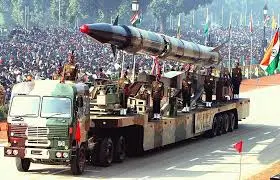
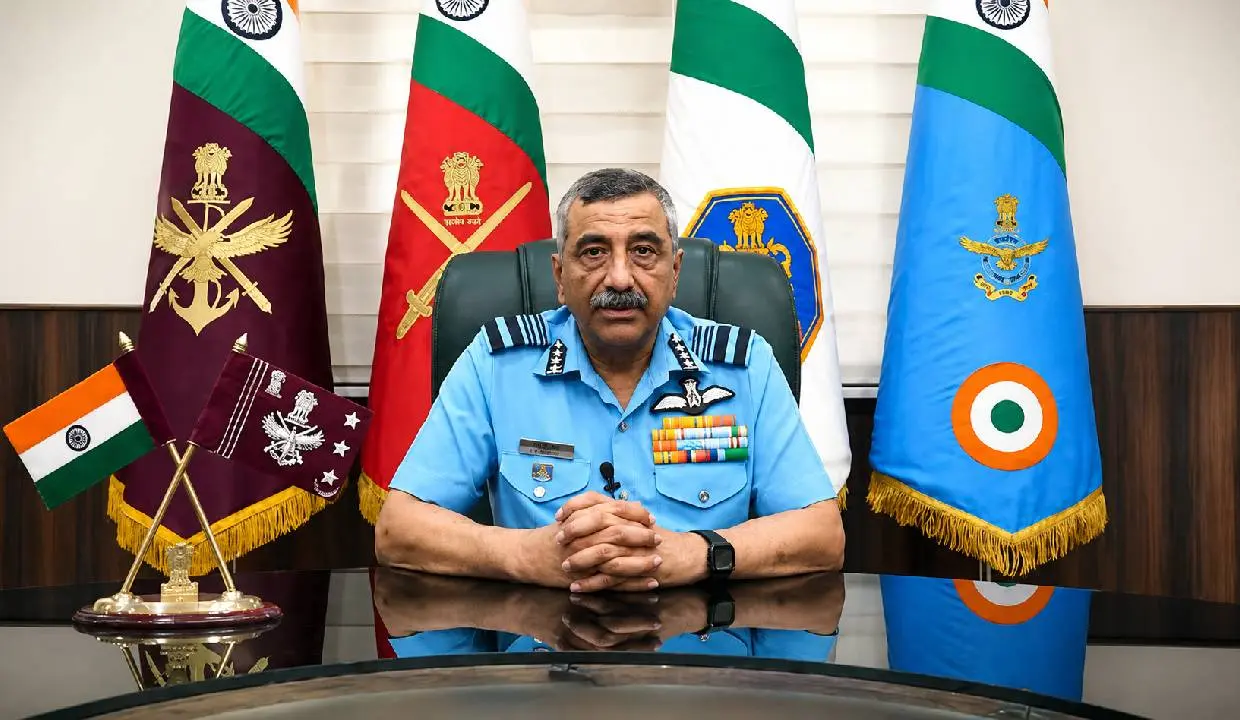
Late Tuesday evening, after a cryptic post from Trump on Truth Social pushed talk about Iran past eight, voices in Tehran turned harder. Out near Qom, where missiles stood ready, Hajizadeh spoke without pause: “The Strait belongs to us – anyone dreaming of choking our trade will choke first.” Devices built for undersea blasts showed up alongside tools like the Khalij Fattah sea-to-ship launcher, drones floating above them; closing off shipping lanes, he claimed, would take little more than hours. Following strikes by U.S. and Israeli forces back in February, mines went into place across key stretches of the path, reducing tanker flow sharply – one out of every five tankers vanished – while oil climbed close to $110.
Drifting into view is a new kind of leverage unfolding across the Persian Gulf – Iranian Revolutionary Guard patrols now control sea lanes, deciding which vessels pass freely while charging those they label hostile, steering others toward Chabahar. Progress stalled in discussions when Tehran refused immediate resumption of past conditions, offering gradual access only if revisions to the nuclear agreement favor its stance. Behind-the-scenes talks with U.S. envoy Steve Witkoff slowed further once Iran demanded removal of overseas forces stationed at partner nations’ regional posts.
Roots in February Flashpoint
Early that winter morning, things spun out when jets from America and Israel struck sites near mountains – Natanz, then Fordow. Missiles followed, hundreds of them, mixed with drones launched into the dark, sinking U.S. destroyers plus one vessel flying Saudi colors. A week later, Trump laid down terms through clenched teeth: halt uranium work, unlock the Strait – or face ruin block by block. That clock ran past ten days, yet whispers continue inside sealed rooms where papers change hands but little shifts. Meanwhile, commanders in the Guard wear sharper grins, while figures like Foreign Minister Abbas Araghchi find their words fading against louder voices.
Talks last forty-five days, stay calm, move quietly under Pakistan first, then Egypt, later Turkey. A brief pause begins close to Hormuz, paired with moves that reduce enriched uranium levels. After silence in battle zones, sanctions start to fade slowly. Across the Gulf – UAE, Saudi Arabia, Qatar – leaders tense up when power stutters, linked to shaky water plants. Reports surface from Israel, reveal U.S. strategies aimed at fuel hubs in Bandar Abbas.
Weaponizing the Chokepoint
Squeezing through a narrow stretch only 21 miles wide, the passage moves 21 million barrels daily. Fast vessels from Iran’s Revolutionary Guard dart around as unseen drones hover beneath, supported by shore-based artillery making the area risky. Recent drills acted out destroying massive naval ships; aerial views show mine-like objects grouped close to Qeshm Island. As Hajizadeh claims, swift missiles could bypass U.S. defenses targeting vessels deep in the Arabian Sea.
Falling economies hit sharp when commerce drags. Because shipments of Indian onions to Gulf countries halt fast. European flows of liquefied gas reroute past the Red Sea – prices jump high. Oil producers gather quietly; still, tension stays thick. Though Trump hints shifts could spark soon – action follows close – yet he says failure brings sudden fall.
Gulf Region Reorganization Initiative
A quiet reach extends where Sunni power fades. Backed by Tehran, fighters linked to Houthi networks strike vessels far out on water routes. From Baghdad’s core, armed factions turn toward energy zones south of Basra. Chabahar’s harbor rises quickly – Beijing helps build a path past narrow sea gates. Goods begin moving across fresh rail corridors into Asia. Finding its footing, Iran looks to countries in BRICS. Low-priced oil draws interest from those keen on softening sanctions.
Fleet power shows up loud, but Iran’s guards answer with quiet moves. Noise earns eye rolls, yet the capital keeps its hand near the switch. One command might set the waters ablaze, warns the general. Material purity jumps to 164%, far above what was once agreed. Conversations stall while forgotten terms vanish like smoke.
World Changes Feel Close
Delhi watches Hormuz like a hawk – almost every drop of its oil flows through that narrow path. Five percent. That is how far the rupee has fallen, sparking worry over costlier goods. A meeting with China’s leader happens at BRICS; Modi chooses quiet words over sharp ones. In the distant Gulf, three million Indians stay alert, reading each shift in the wind. Thoughts of escape float, half-formed, among them.
Last-minute tension climbs as Iran readies its forces. Not Doha but Muscat moves behind the scenes without noise. As Washington weighs striking in the Strait or trying dialogue, a single officer’s alert feels oddly repeated – just like decades past, amid those old tanker clashes: Tehran will not pull away.
Fifty days pass without a sound. What if stillness turns to burning? Power changing hands might light up the whole area. The Gulf trembles, close to giving way. Crude oil moves depend on one thin channel’s fate.