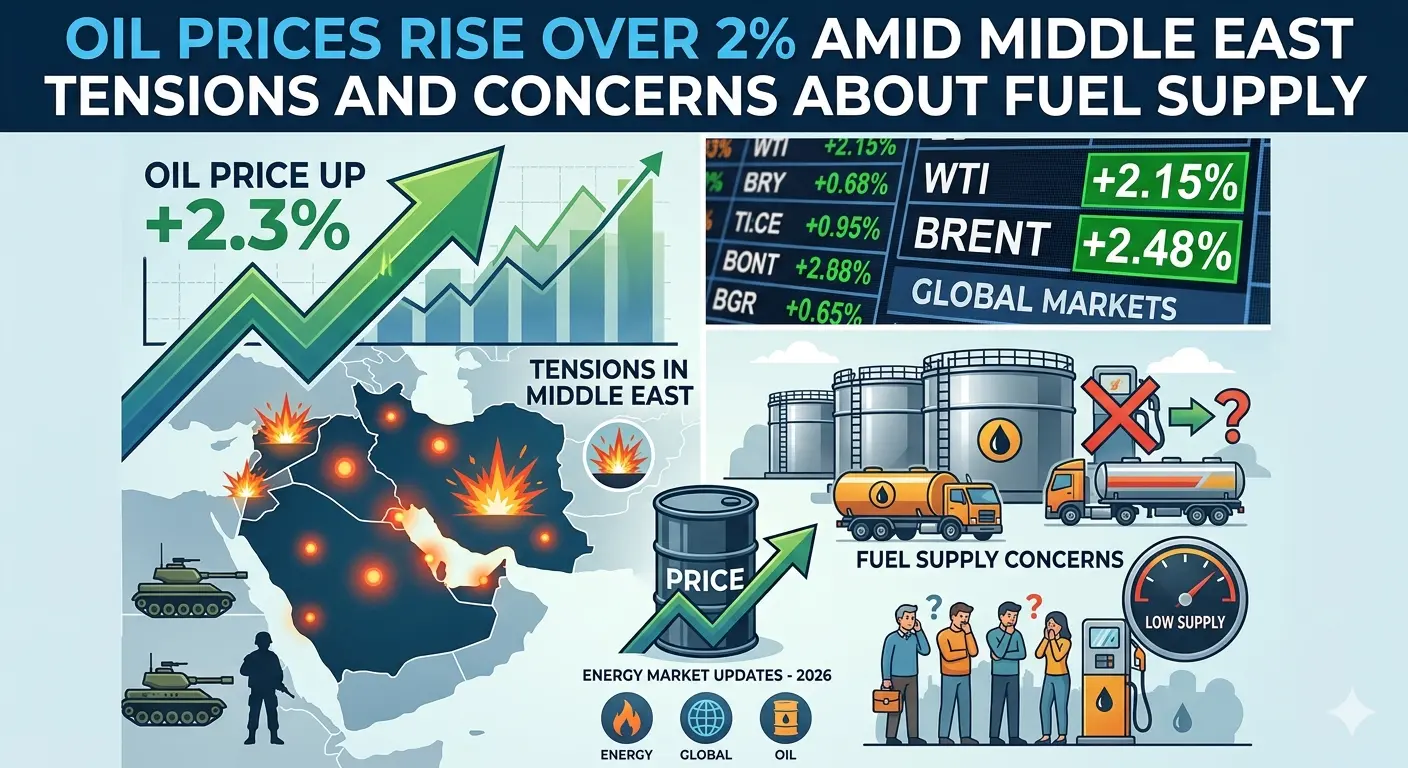
Monday saw oil surge beyond 2%, driven by unceasing assaults across the Middle East that battered key energy sites, feeding worries about shortfalls in worldwide supplies due to escalating tensions between Iran and Israel. Rising sharply, Brent crude reached $108.45 a barrel, up 2.3%. At the same time, WTI touched $102.20 – the peak level since 2022 – following damage from Iranian actions at Qatar’s Ras Laffan liquefied natural gas terminal. Then came Israeli counterblows aimed at the South Pars gas complex. Market players now lean toward expecting extended turmoil through the Strait of Hormuz. More than fifty oil tankers sit waiting there under stalled conditions. Meanwhile, Tehran enforces a selective passage route costing two million dollars per ship.
Drones struck again. Oil routes tied to Saudi Aramco and power networks in the UAE – key for American military sites – took hits just after stealth bombers pounded suspected nuclear zones in Iran. Through the Strait of Hormuz, where a fifth of global crude moves, ships now veer south around Africa instead. Each voyage burns an extra million dollars in fuel. Journeys stretch out by two weeks. Offers whispered from Washington about agreements got nowhere fast. Denial after denial shot back across diplomatic wires. Meanwhile, darkness spread when Texas refineries sputtered offline – the result of one explosion too many – and pressure built on already strained supplies
Heat bites deep across India. A cylinder of cooking gas now costs one thousand rupees, up fifteen percent for thirty million households; fuel hits close to one hundred ten per litre in Delhi while the currency sinks toward eighty-eight fifty against the dollar. Ships carrying LPG made it safely through the Strait of Hormuz using an Iranian path – one win among many hurdles – but twenty-two others stall without approval, tangled in payments nearing two million dollars. Stockpiled oil stands at five point three million metric tons, enough for about ten days; supplies feel stretched. From South America, shipments from Argentina have grown twice as large, still prices climb, watching a seven percent rise ahead.
Flying stops worldwide when fuel costs jump, IndiGo one example. European plans for Russian gas stumble while Norway hits supply limits. Even though OPEC+ promises more oil flow, Saudi Arabia might pull back if markets stay firm. Pain is temporary, says Trump – yet experts say brent could hit $120 should hormuz close completely, a level last seen during the 1979 shock.
Fear ticked higher after the Sensex dropped 800 points while Wall Street futures turned lower. With violence spreading fast, oil prices climbed – piling pressure on already shaky economic hopes.